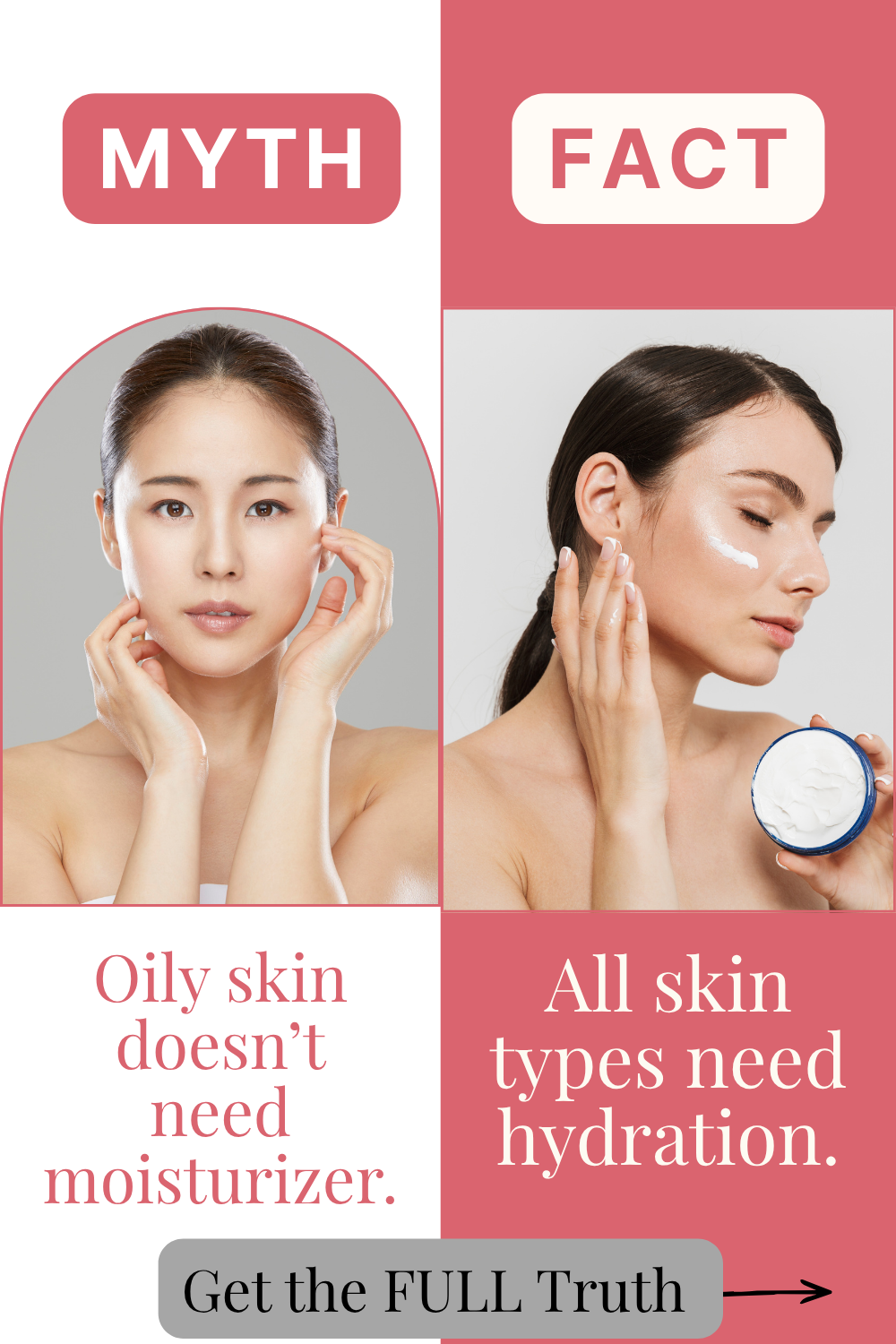
An oily complexion doesn’t mean you skip moisturizing. In fact, skipping moisture can backfire and leave your skin cranky, flaky, and overproducing oil to compensate. Let’s cut through the noise and get real about hydration, balancing oil, and keeping your skin happy all day long.
Why Oily Skin Still Needs Moisture
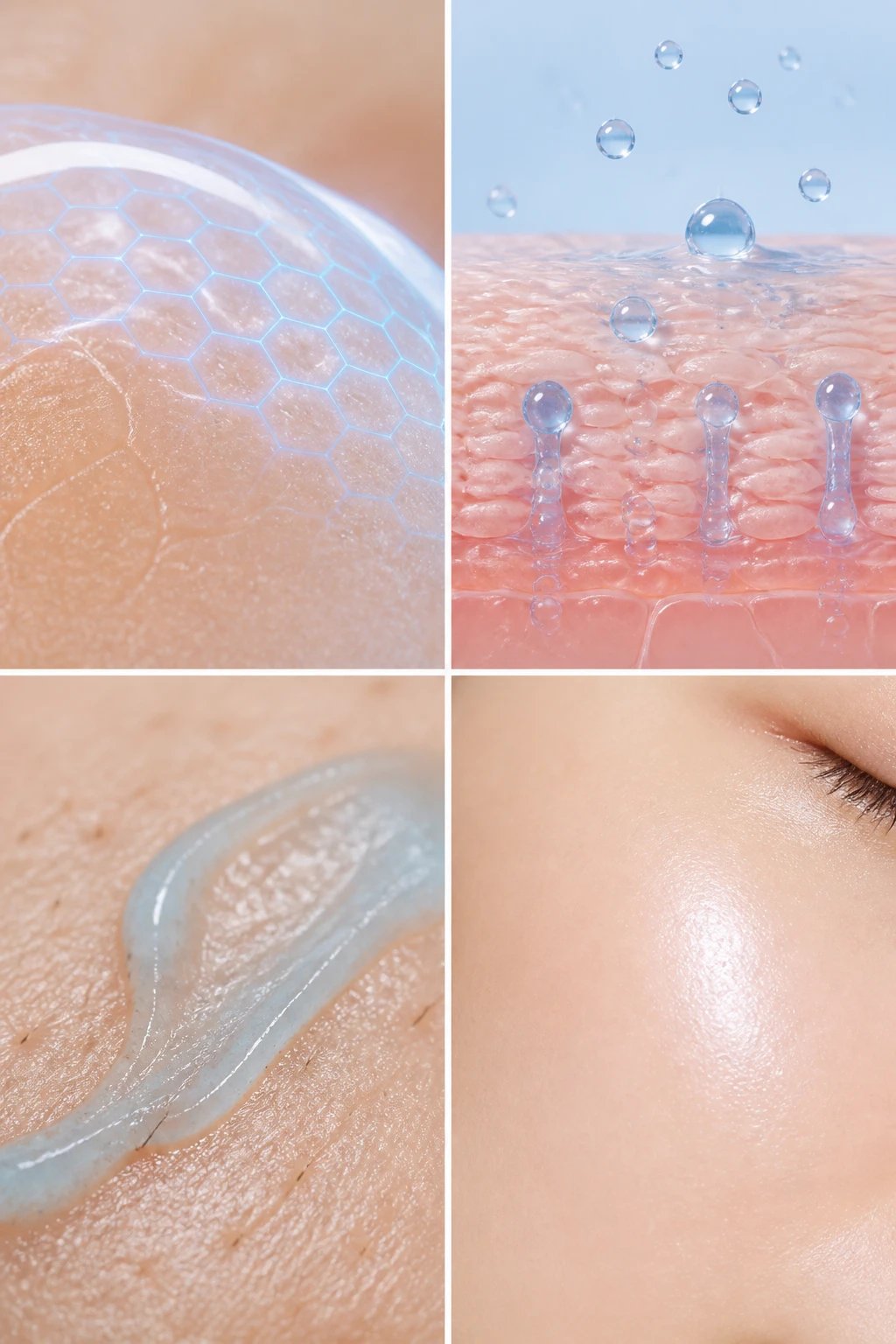
No, moisturizer won’t magically turn you into a greaseball. When you strip your skin of moisture, it reflexively pumps out more oil to compensate. That’s biology, not a conspiracy. Hydration helps regulate oil production, stabilize your skin barrier, and prevent that gross greasy shine that scares people away from their mirrors.
- Hydration supports the skin barrier, reducing transepidermal water loss.
- Balanced moisture can prevent overproduction of sebum.
- Healthy skin looks brighter and less patchy, not shiny in a scary way.
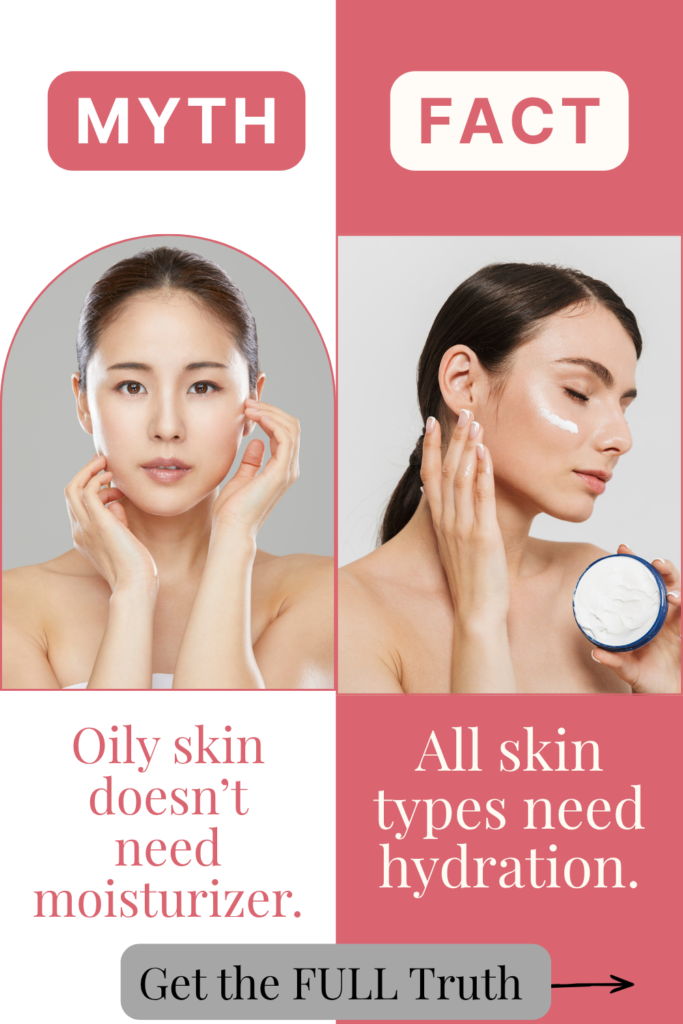
Myth: Oily Skin Means It Doesn’t Need Moisturizer
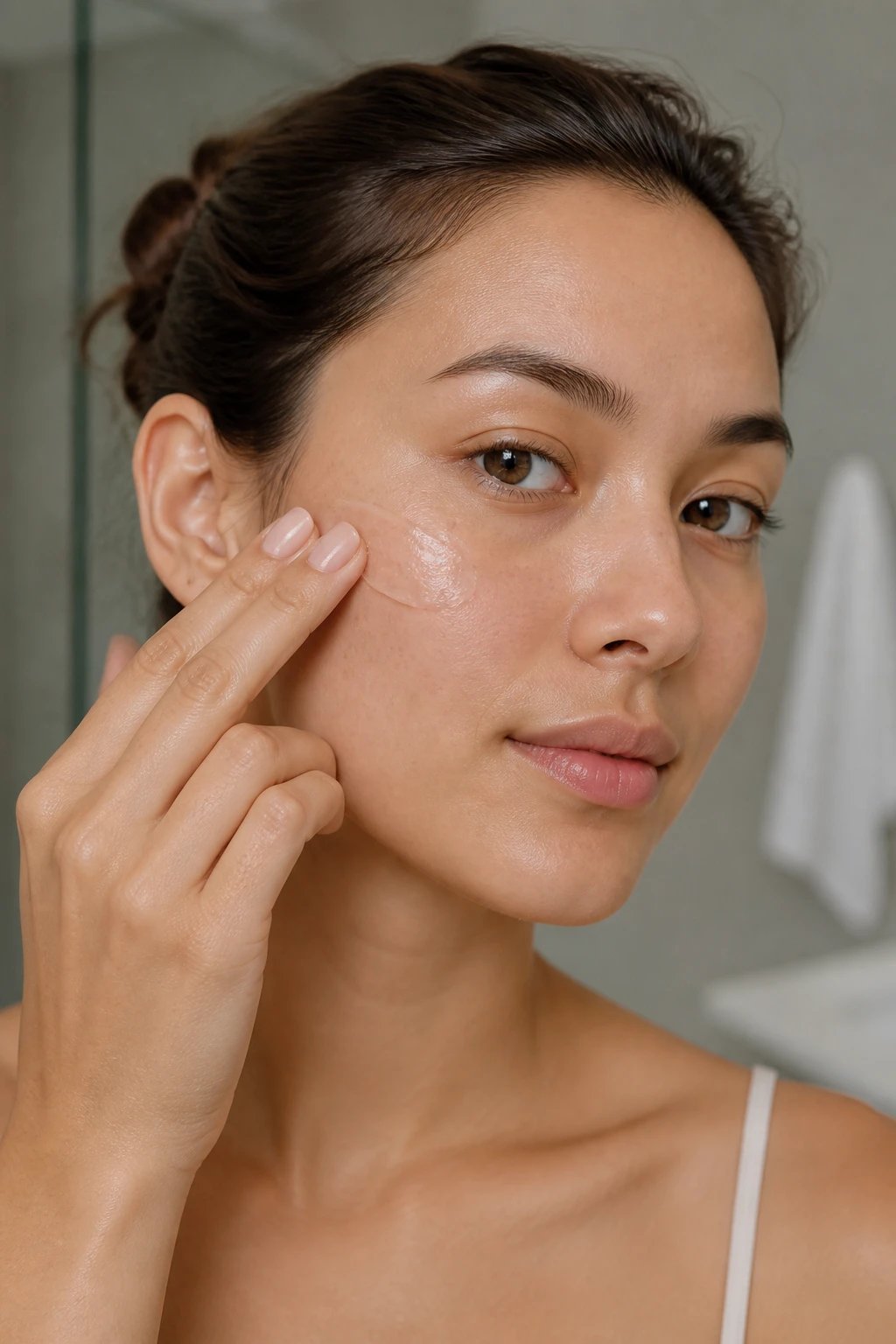
If you’ve heard that, you’ve been lied to by your bathroom mirror. The truth: moisturizing helps oily skin control shine and prevents texture issues. The goal isn’t to drown your pores in cream but to use the right formulas that hydrate without clogging.
How to choose the right moisturizer
– Look for non-comedogenic labels and oil-free or gel-cream textures.
– Ingredients to seek: humectants like glycerin or hyaluronic acid, and lightweight emollients such as dimethicone.
– Avoid heavy occlusives that can feel sprinting into a grease trap.
What Your Oily Skin Actually Needs
People with oily skin often focus on mattifying products, but hydration remains essential. Here’s the lineup that keeps your skin balanced without turning you into a glaze.
- Lightweight hydrators: water-based gels or emulsions
- Humectants to pull moisture in
- Barrier-supporting ingredients like ceramides
- Oil-control steps that aren’t drying: niacinamide, azelaic acid
Daily Routine That Supports Hydration Without Slacking Oil Control
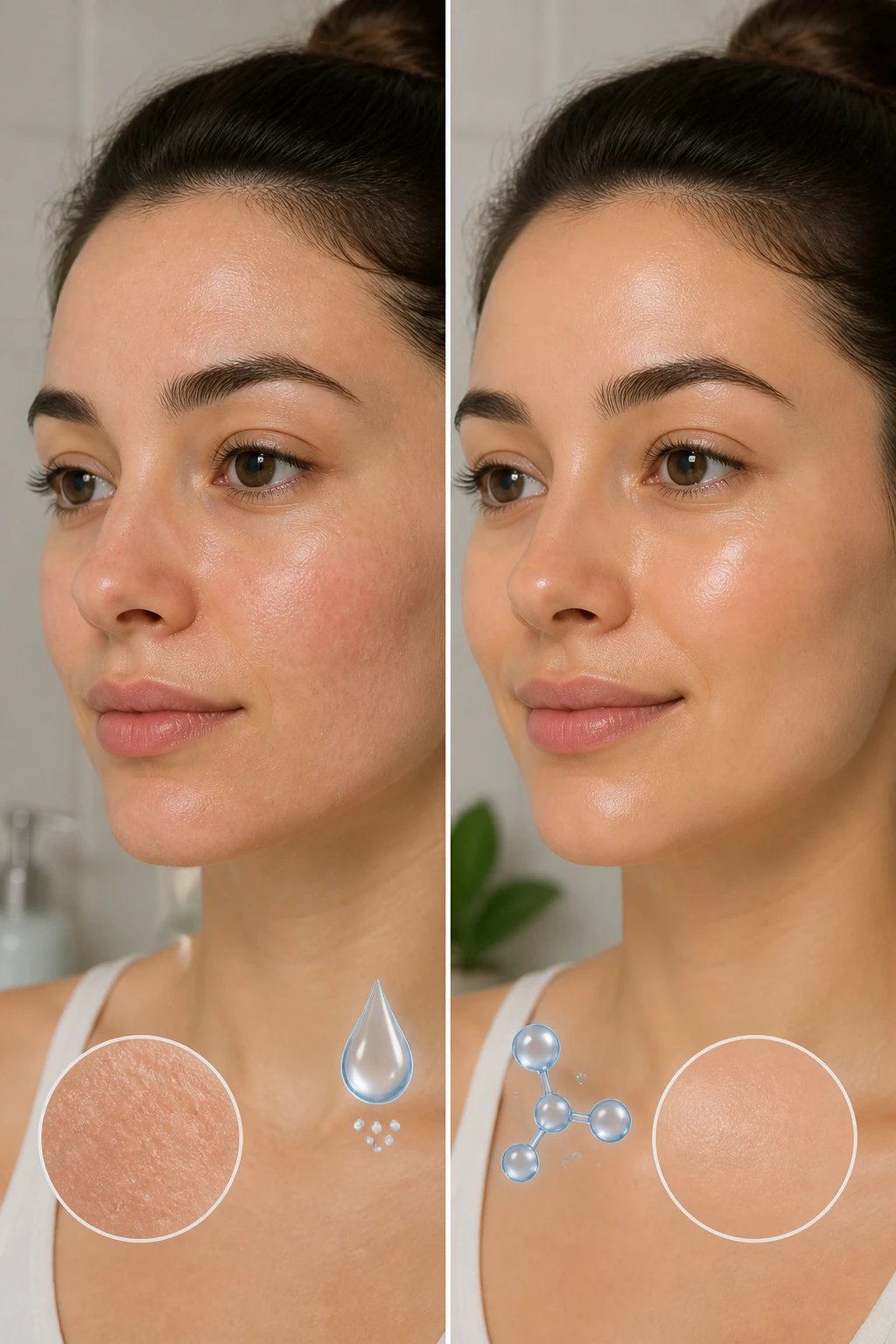
A well-tuned routine feels like a spa day and a science experiment at the same time. Here’s a simple, effective path.
- Cleanse without cruel stripping: choose a gentle, foaming or balm cleanser that respects the barrier.
- Hydration first: apply a lightweight serum with glycerin or hyaluronic acid while the skin is still damp.
- Moisturize with a gel-cream: something that seals hydration without feeling heavy.
- Sunscreen: choose a sheer, non-comedogenic SPF 30+ to finish the look.
Spot on: Actives that help oily skin
– Niacinamide reduces inflammation and can balance oil production.
– Azelaic acid helps with pore texture and brightening.
– Salicylic acid (in moderation) can exfoliate and prevent clogged pores.
Seasonal Shifts: Hydration Strategies for Dewy Yet Not Oily Skin
Your skin isn’t static. Summer heat or winter dryness change how you need to hydrate.
Summer
– Lightweight formulas + broad-spectrum SPF.
– Don’t skip moisturizer even if you sweat; choose water-light options.
Winter
– Humectant-rich products draw moisture from the air.
– Consider a slightly richer formula at night but still light during the day.
Common Mistakes That Wreak Havoc on Oily Skin
Let’s debunk a few DIY disasters and avoid turning your face into a cautionary tale.
- Over-cleansing: strips your skin and triggers more oil production.
- Skipping moisturizer entirely because of shine fear.
- Using heavy, pore-clogging creams just because they’re “hydrating.”
- Over-exfoliating: makes skin dry, then oil ramps up production to compensate.
Deeper Dive: Understanding the Skin Barrier
Your skin barrier is like a brick wall for your face. When it’s compromised, moisture escapes, irritants sneak in, and oil production goes haywire to compensate.
What disrupts the barrier?
– Harsh cleansers, hot water, and aggressive peels.
– Environmental stress, pollution, and dehydration.
How to repair it
– Use ceramides and fatty acids in moisturizers.
– Choose products with minimal fragrance and irritants.
– Keep routines consistent; your skin loves predictability.
Myth-Busting FAQ
Can oily skin really be hydrated with lightweight products?
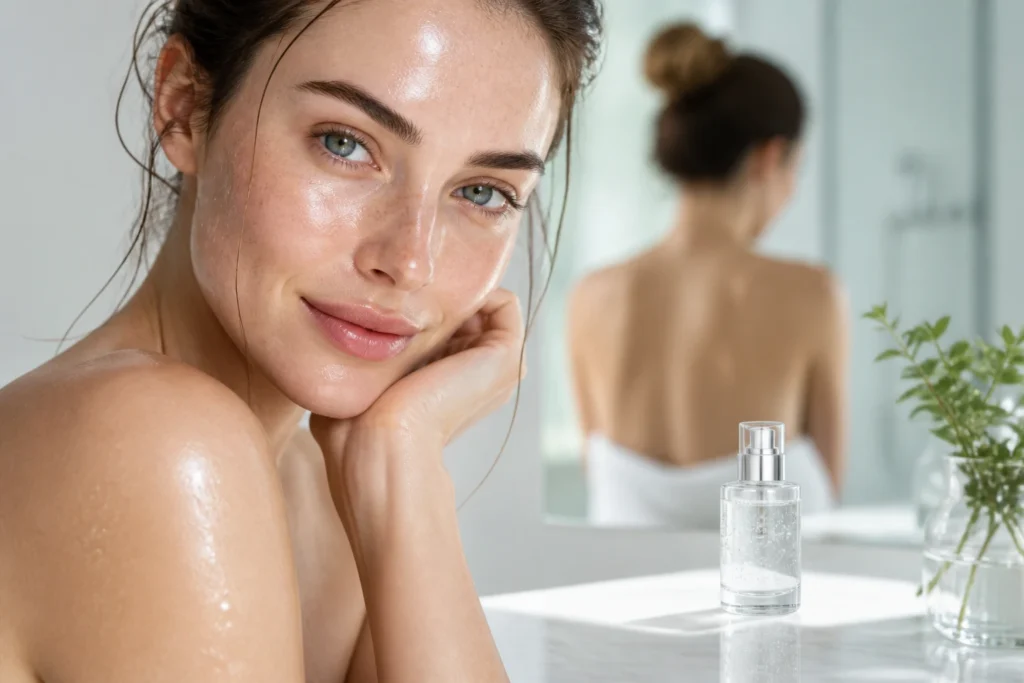
Yes. The trick is choosing formulas that deliver water and barrier-supporting ingredients without a heavy feel. Look for gels, serums with humectants, and lightweight emulsions. FYI, you can hydrate without weighing down your skin.
Will moisturizers make my pores look bigger?
Moisturizers don’t physically enlarge pores. If your skin looks worse after applying, you might be using the wrong texture or layering heavy products. Switch to a non-comedogenic gel-cream and keep it light near the T-zone.
Is sunscreen enough for hydration on a hot day?
Sunscreen protects, but it doesn’t hydrate deeply. Apply a lightweight moisturizer first, then SPF. It ensures you’re covered from both sun and moisture loss.
How often should I exfoliate if I have oily skin?
Moderation is key. 2-3 times a week is usually enough, using a gentle exfoliant. Overdoing it irritates skin and triggers more oil production.
Are there ingredients to avoid for oily skin?
Avoid heavy oils, occlusives in the daytime, and alcohol-heavy products that strip hydration excessively. Opt for non-comedogenic options that respect the barrier.
Conclusion
Oily skin doesn’t equal a skincare free-for-all. You can have shine and still stay hydrated, balanced, and clear. The secret is choosing the right lightweight formulas, protecting your barrier, and sticking with a routine that respects your skin’s needs. IMO, moisturizing isn’t the enemy; it’s your best ally in a battle against oil and texture. So next time you reach for a mattifying cream, stop and ask: am I actually hydrating, or just masking the problem?