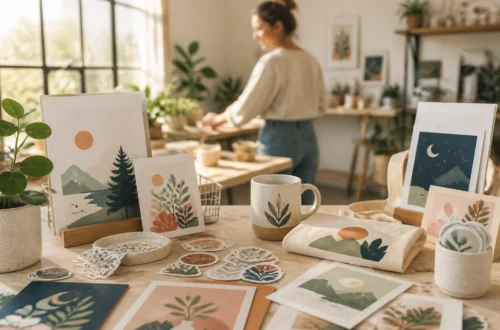
Looking to kickstart an art-centered side hustle without emptying your wallet? You’re in the right spot. Here are five practical, low-cost ideas that tap real demand, backed by data and trends—and all under $100 to start. Let’s splurge on creativity, not on fear.
1) Custom Home Portrait Illustrations: Turn Houses Into Heirlooms
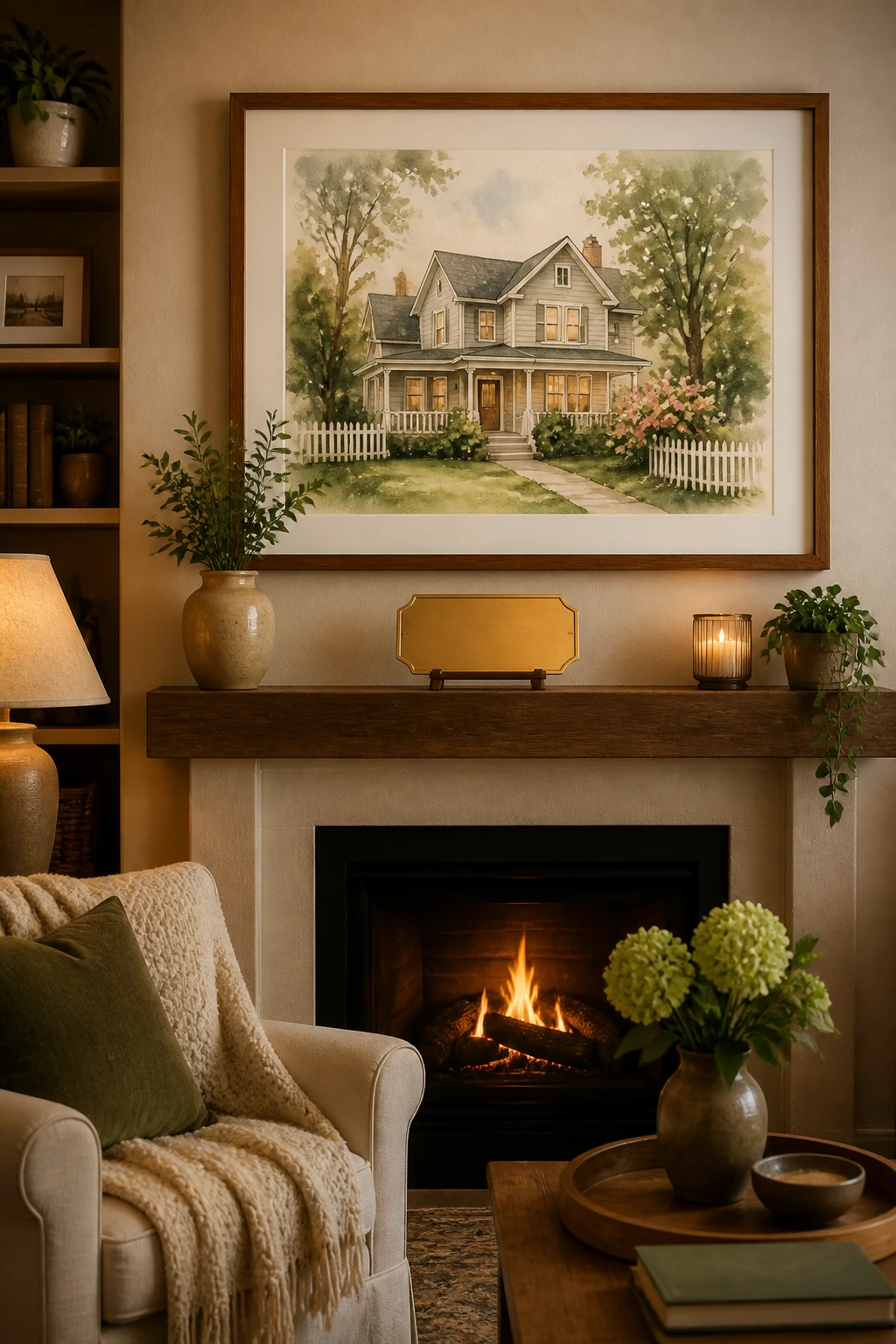
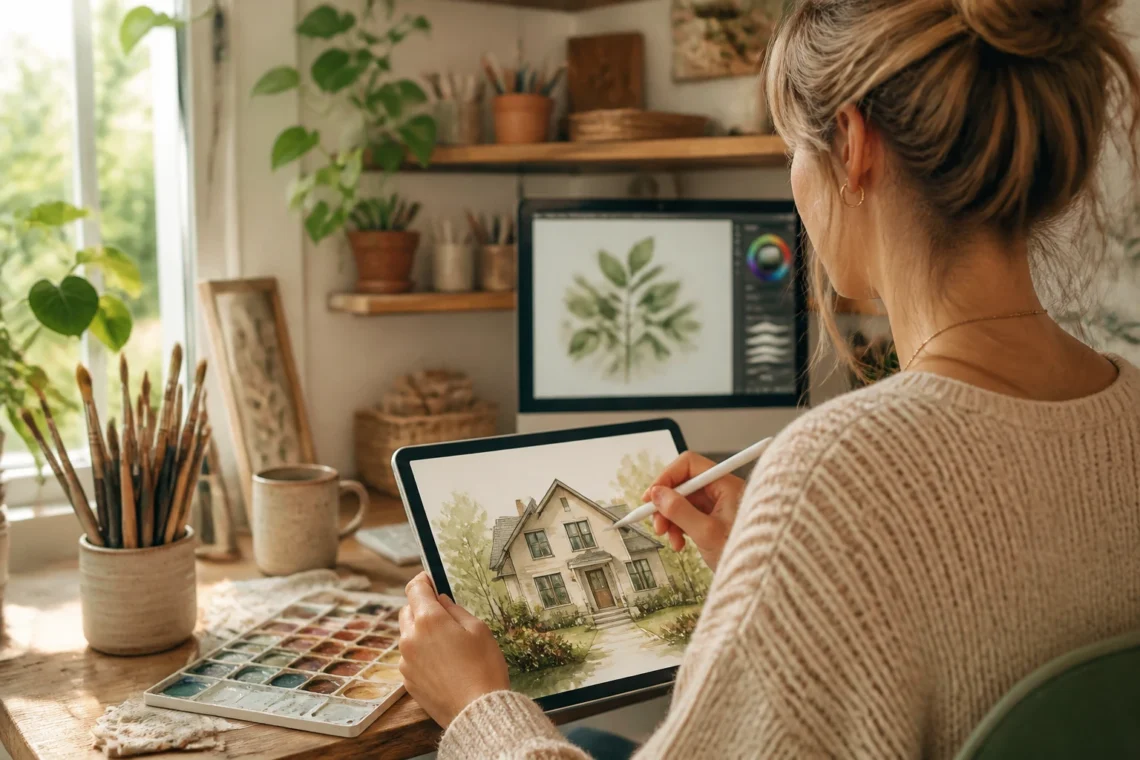
People love sentimental gifts, especially when they involve their own space. Turn a photo of a house into a stylized artwork—think watercolor, digital painting, or minimalist line art. If someone doesn’t want to share a photo, you can use Google Maps Street View to craft the image. Your real startup costs? Basic supplies you already own plus a design tool like Procreate or Canva. Easy profit, big emotional pull.
Why this works: these portraits hit an emotional chord—first homes, family places, anniversaries. Gift buyers are willing to pay more for that significance. The personalized gift market is growing—research labels it a multi-billion-dollar opportunity in coming years. By niching to a recognizable style, you stand out in a crowded market and can price pieces from around $20 up to $150 or more, depending on detail and format.
How to get started quick
1) Pick a signature style you can reproduce quickly. 2) Gather your go-to tools (paper, iPad, stylus, or your preferred digital setup). 3) Create a few sample portraits to showcase in an online portfolio. 4) Offer a small, limited-time promo to test demand and pricing.
2) Handwritten Recipe Keepsake Prints: Nostalgia That Sells Itself
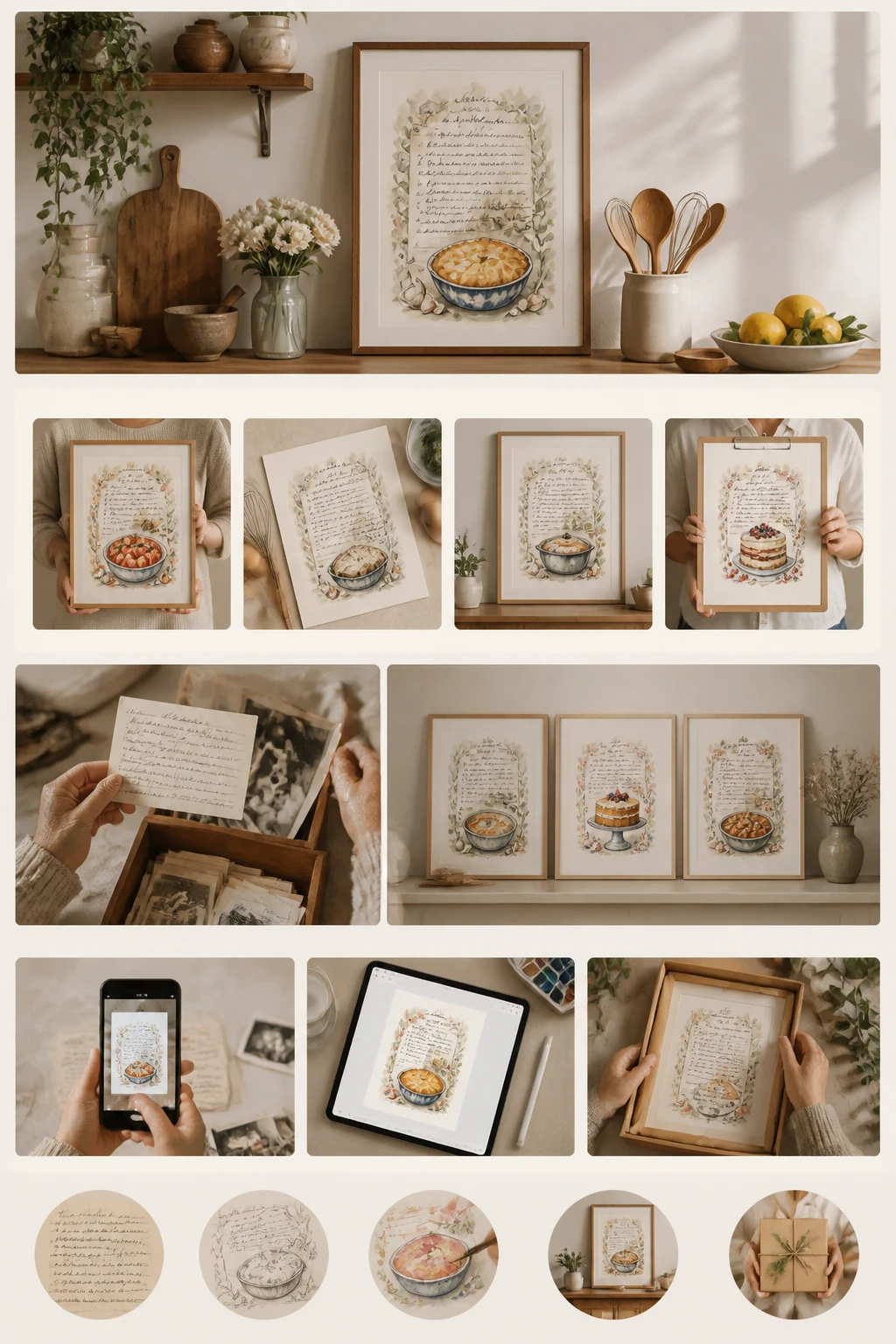
Dig out those treasured family recipes and turn them into art. You can preserve the original handwriting or polish it up while keeping that personal touch. This is more than decor; it’s memory-keeping—magic for grandparents, parents, and anyone who loves a good family heirloom.
Market reality: personalized gifts are booming across the US and Europe, with strong growth projected in coming years. Your costs stay low because you mainly need a design tool (Canva, Procreate, Photoshop) and a print option. Digital files can fetch $15–$40, while physical prints—framed or engraved—can hit $60–$120.
How to get started quick
1) Ask for a high-quality photo of the recipe page or retype it cleanly. 2) Choose a tasteful layout that preserves the handwriting’s charm. 3) Offer both digital and physical versions to widen your audience. 4) Create a few showcase pieces to post in your shop and social channels.
3) Junk Journals: Craft-Tastic Keepsakes You Can Ship or Teach
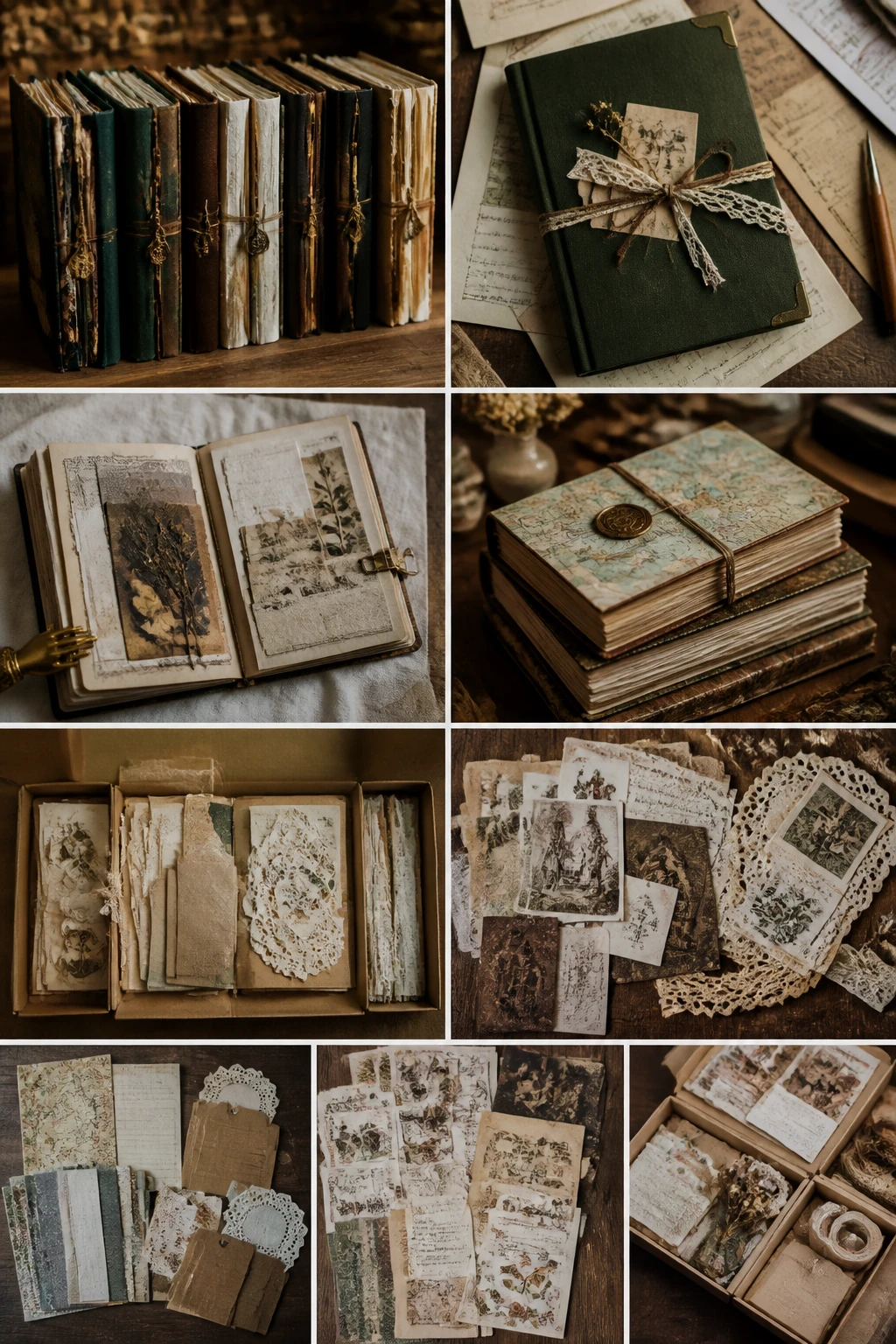
If you love paper crafts, junk journals are your playground. These layered, collage-inspired notebooks use scrapbook paper, old book pages, stickers, fabric scraps, and ephemera. The aesthetic leans imperfectly perfect and highly shareable—perfect for social media, which helps with discovery.
You can sell fully finished journals, themed ones (think Dark Academia or vintage travel), or DIY kits with materials and instructions. Journaling and scrapbooking are trending, and the market for scrapbooking supplies mirrors that growth. Start with thrifted books and paper scraps and keep your costs under $30 if you want, though under $100 is totally realistic.
Prices? Smaller journals can fetch $15–$40, larger ones $60–$100+. The storytelling and handmade charm often justify the premium, especially when you lean into a distinct vibe or niche.
4) Curated Aesthetic Art Packs: The Done-For-You Wall Makeover
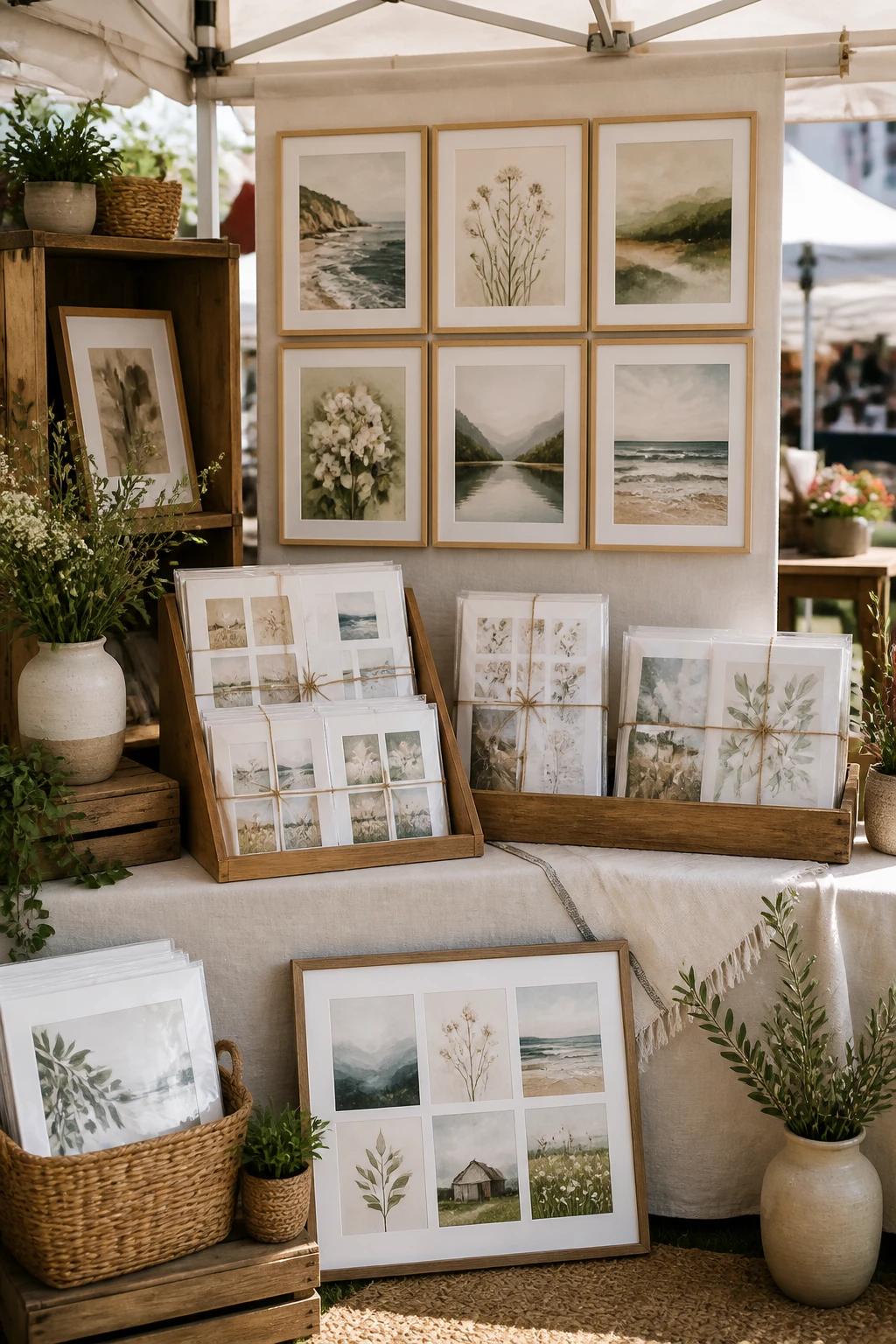
People want style in their spaces but don’t always know how to mix and match. Your solution: curated art packs. Think a six-piece gallery-wall set, a cohesive bundle of prints, or a themed postcard set. You deliver a ready-to-hang collection that looks intentional and cohesive, removing the guesswork for buyers.
Why it works: the wall art market is massive and growing—tens of billions—so there’s clear demand for scalable, aesthetically pleasing bundles. You can offer both digital downloads and physical prints, giving you multiple revenue streams with minimal extra cost.
What to focus on inside the pack
1) A unifying color palette or theme. 2) A mix of sizes for visual interest. 3) Clear framing or display guidance. 4) A simple marketing angle—“easy, cohesive styling for renters” or “gallery-quality vibes on a budget.”
5) Miniature Room Dioramas: Tiny Worlds, Big Happy Customers
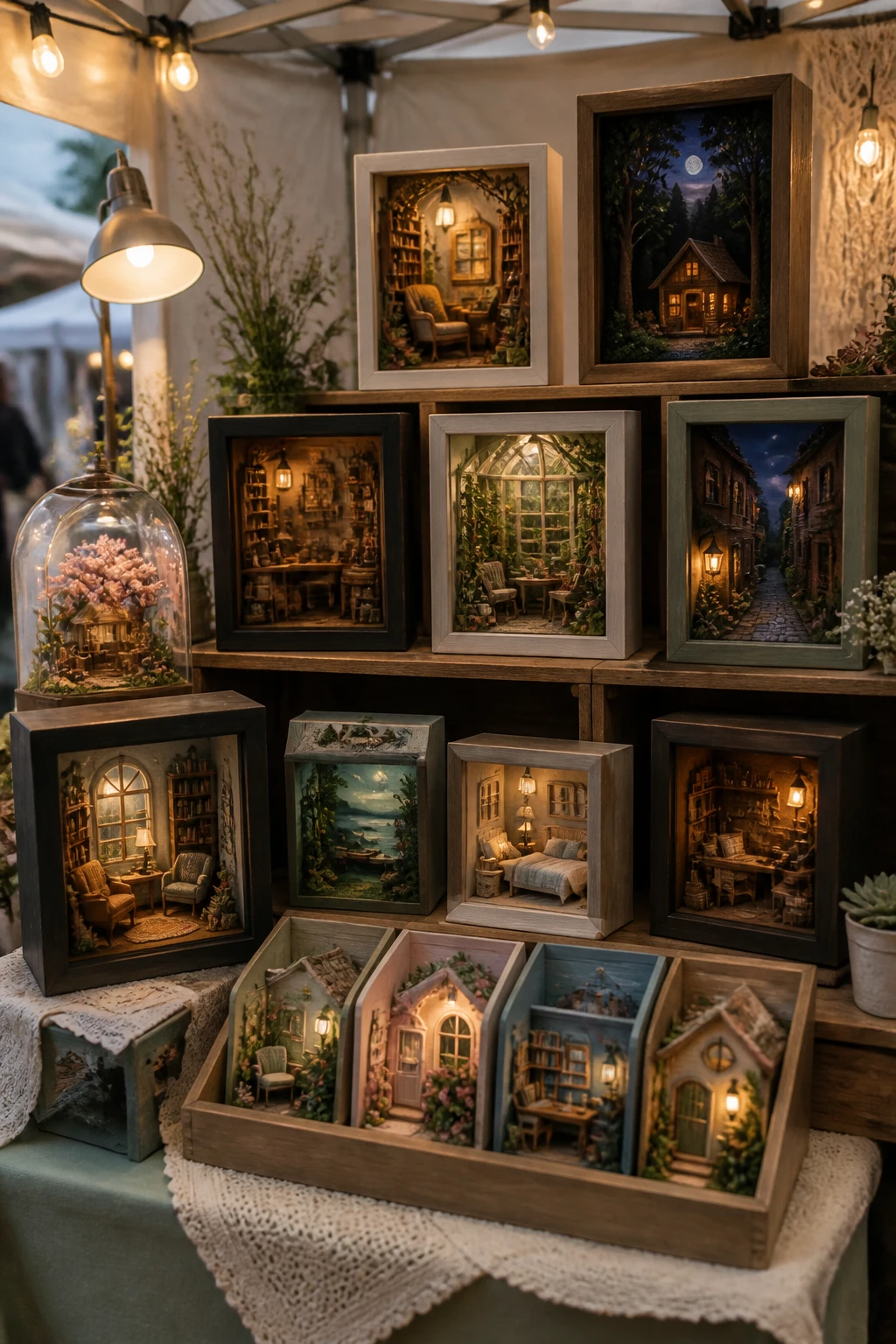
Shadow box scenes and dioramas are a tactile joy to create and own. They’re tiny, detailed environments housed in a frame or box, with miniature furniture, textures, and lighting. They look like collectible art you can display on a shelf or desk, and they scratch the itch for tangible, handmade decor in a digital age.
Cost-wise, you can keep these under $100 by scavenging cardboard, thrifted miniatures, printed textures, and upcycled bits. Aesthetically, niche down—lean into your chosen vibe, whether that’s mid-century whimsy, cozy rustic, or minimalist fantasy. This not only makes production easier but also helps you stand out in a crowded market.
Why it’s appealing: the home decor market remains healthy and the broader trend toward dopamine décor—spaces that spark joy—drives demand for eye-catching, handcrafted pieces. Plus, the process is satisfying to make and satisfying to watch, which helps with content-based marketing.
Quick-start checklist for all five ideas
- Validate demand: check for existing items similar to your idea, see what people pay, and note gaps you can fill.
- Define your niche: pick a distinctive style or audience so buyers find you easily.
- Keep costs low: repurpose what you already have; buy only essentials.
- Set clear pricing: research typical price ranges and start with a concise offer.
- Showcase with images: invest in good photos or mockups to build trust fast.
FAQ
How much money can I really make starting with under $100?
Profit depends on your pricing, demand, and how scalable your process is. Some creators flip multiple orders per week with digital products, while physical goods require careful fulfillment planning. The key is to start lean, validate quickly, and expand with repeat customers who love your style.
Which idea is the easiest to scale?
Curated aesthetic art packs and digital-focused offerings (like prints or digital files) tend to scale faster because you can produce once, sell many. Physical items add fulfillment time, but bundles and kits can be duplicated with minimal extra cost.
Do I need fancy gear to start?
Nope. Most ideas rely on affordable tools you may already own or can access for free. A tablet and stylus, simple design software, good lighting for photos, and some basic materials are enough to begin. You can upgrade later as you grow.
Is there a risk of copying others?
Yes, but you can mitigate it by niching your style and adding a personal twist. Stand out with a unique aesthetic, signature colorways, or a specific subject focus, and your work becomes recognizable rather than replicable.
What’s the best way to price these items?
Research similar items, consider your time and materials, and test different price points. Start with a reasonable baseline and offer limited-time bundles or commissions to gauge demand. For many of these projects, digital formats sit around $15–$40, while framed or bespoke items range higher.
Conclusion
Five budget-friendly avenues that let you monetize your art from home without a massive upfront investment. Custom home portraits, handwritten recipe keepsakes, junk journals, curated art packs, and miniature dioramas—each taps into a different emotional or visual niche while keeping costs under control. FYI, the key to success is crafting a recognizable style, delivering tangible value, and sharing your process online so people can see the magic in real time. So, which idea are you trying first? Drop a comment and let’s brainstorm together.