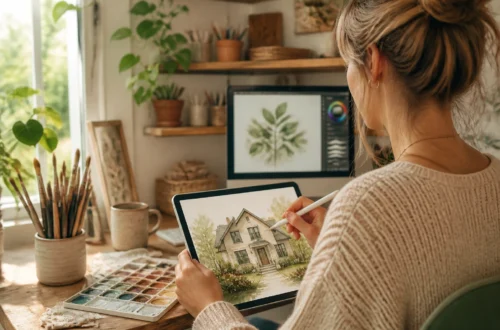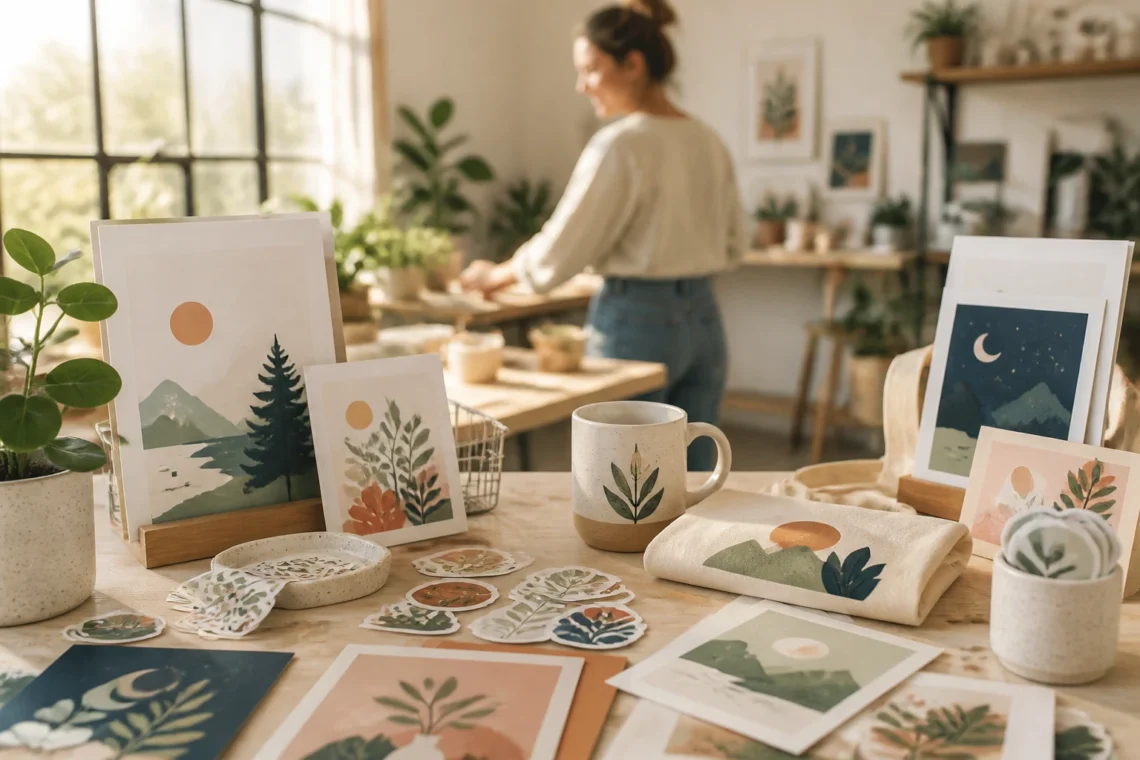
Ready to turn your doodles into a real online shop? Let’s cut to the chase: you don’t need perfect everything to start. I’ll walk you through practical steps, pricing, platform choices, and tips to actually attract buyers without overwhelming you.
Start Before Your Art Feels “Finished”
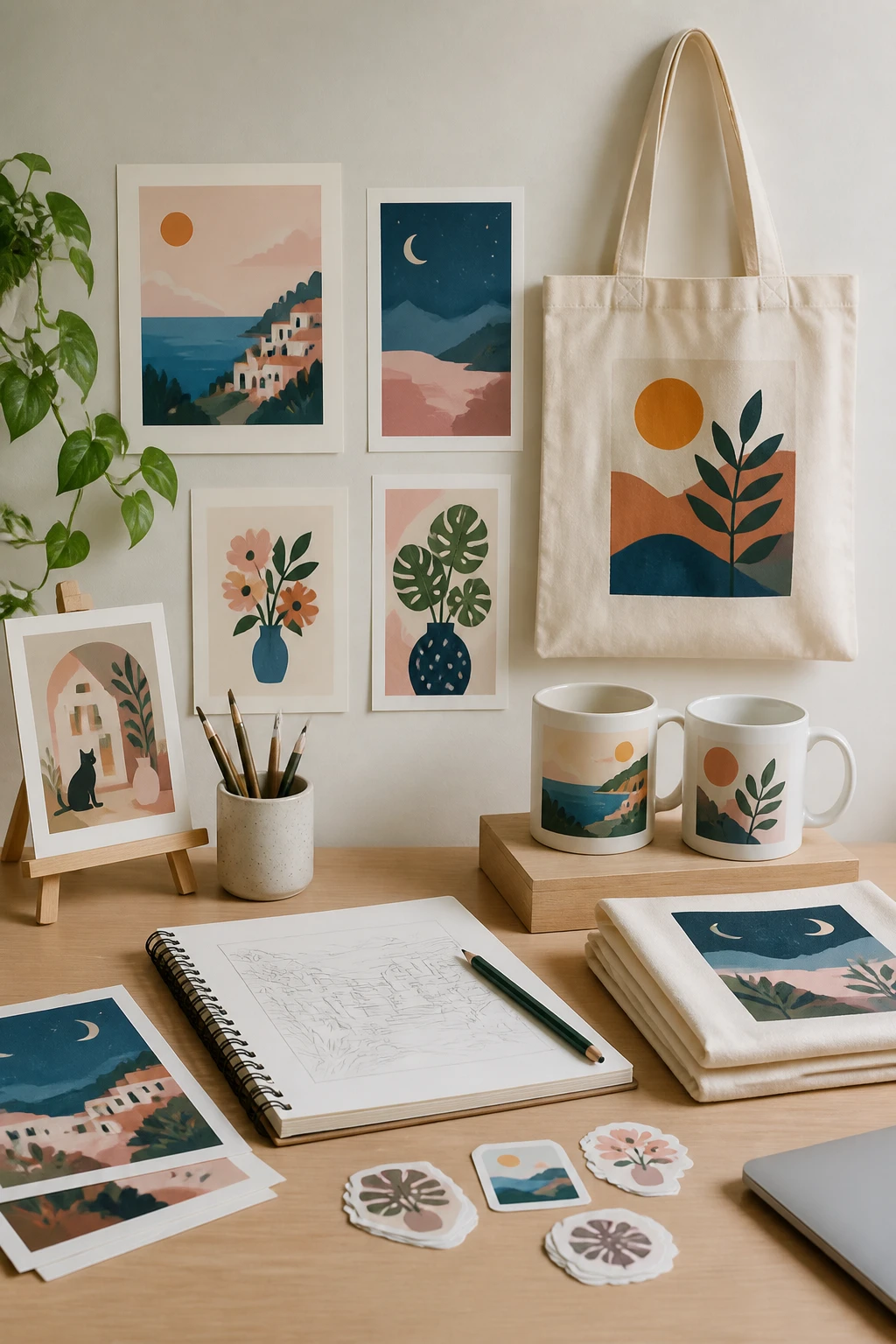
Many artists wait for the perfect feed or a perfect collection. Spoiler: your audience doesn’t need perfect—their emotional connection does. If people are commenting, asking about sales, or sharing your art, that’s a signal you’re already in demand. Start with a few cohesive products—prints, stickers, or small merch—then grow.
Pick a Strong Domain Name and What You Sell
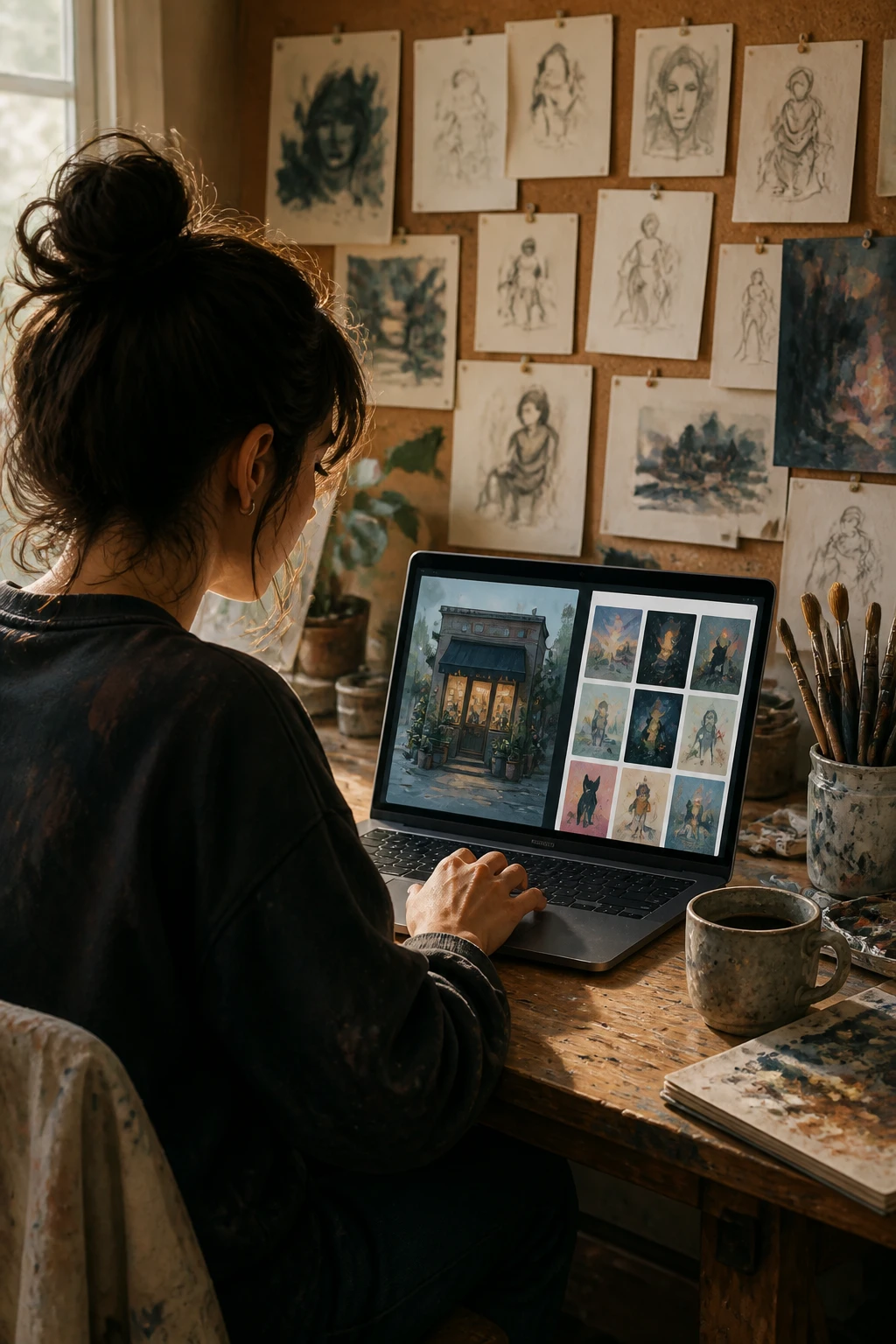
Your online presence is a tiny business, not just a hobby. A domain name shapes trust and branding. Consider .store instead of .com for clarity that you’re selling products online. It helps with Google/E‑AI understanding and signals to visitors that you’re an actual store. Quick tip: a store-focused domain looks more polished and memorable.
Core Product Mix: What to Sell First
Keep it simple at first. A solid starting lineup keeps you sane and your customers delighted.
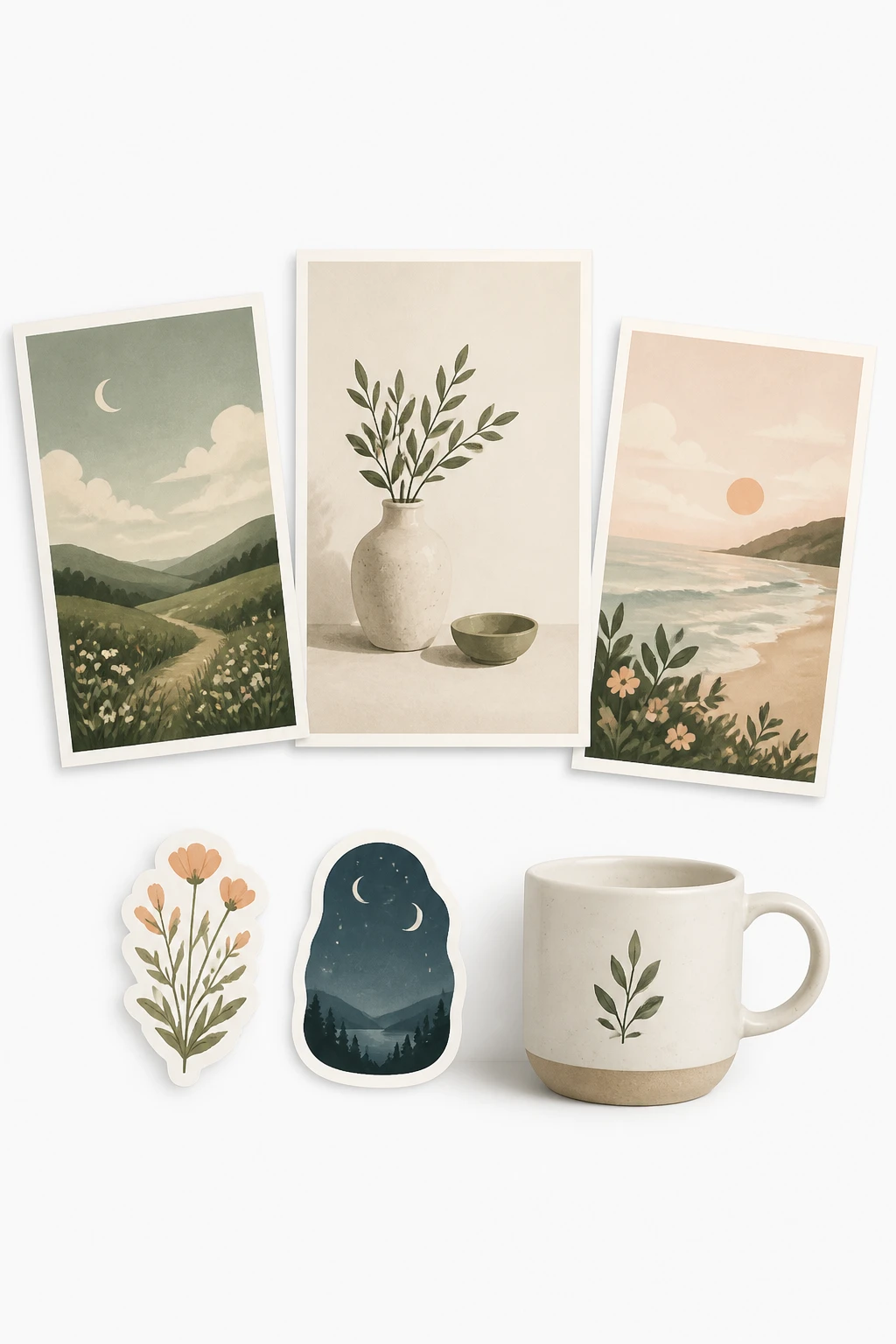
- Art prints — High margins, easy to ship, and they decorate spaces with personality.
- Stickers — Low-risk, high-gratification items that people love buying as gifts or quick treats.
- Small merch — Bookmarks, keychains, memo pads, tote bags. Practical, giftable, and you can produce gradually.
You don’t need dozens of products to start. Build a cohesive catalog that feels true to your art style, then expand as demand grows.
Pricing That Keeps You Alive (Yes, Really)
<pPricing is emotional but sustainable: cover materials, packaging, platform fees, shipping, and your time. Time isn’t just hours spent; it’s your accumulated experience—from art school to internships to years of practice. Don’t compare yourself to mass-produced products on Amazon. You’re an independent artist with handmade touches.
Simple rule of thumb: calculate material costs, then add packaging and shipping costs, platform fees, and your time. If a piece isn’t financially sustainable, don’t force it. You can adjust as you grow—pricing isn’t set in stone.
Where to Open Your Shop: Etsy vs Your Own Website

You don’t have to pick one forever, but start with how easy it is to reach people now.
- Etsy is fantastic for beginners: built-in traffic, easy setup, and a community. The downside is stiff competition and fees that cut into margins.
- Your own website (Shopify or Squarespace) gives you control: branding, emails, product pages, and a polished vibe. The catch? You need to drive the traffic yourself, usually via social media or ads.
My approach if I were starting today: begin on Etsy to soak up traffic and learn the ropes, then gradually shift toward owning a standalone website as your audience grows. This hybrid path is practical and less lonely than going it alone from day one.
Product Photography and Listing the Right Way
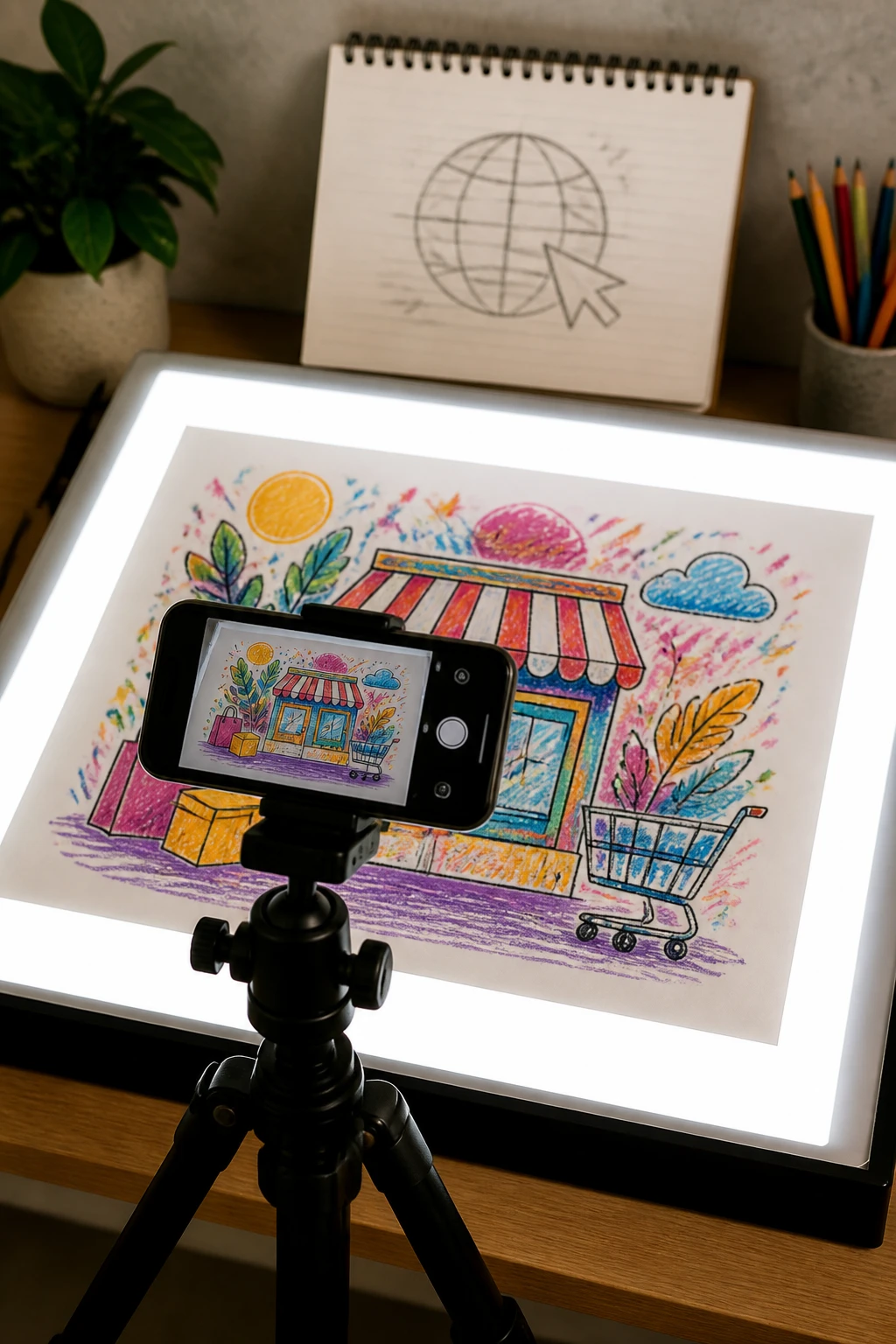
Photos matter more than you think. Bad pictures kill sales, even if the art is amazing. You don’t need fancy gear—natural light, a clean background, and simple staging do wonders.
- Use natural light from a window, shoot with your phone.
- Show products in real-life settings (stickers on a laptop, prints on a wall, etc.). It helps buyers imagine owning your art.
- Craft clear, searchable listing titles with a touch of personality. Example: “Orange Cat Art Print — Cozy Kitchen Wall Decor — Gift for Cat Lovers.”
Your descriptions should be warm and human. Your voice is part of the product—don’t sound robotic. Include keywords without turning into a corporate brochure.
Marketing That Actually Works: Content Creation
There’s no easier path to discoverability than content. Short-form content on TikTok, Instagram Reels, and YouTube Shorts can bring strangers to your shop. The best-performing clips aren’t the slickest; they’re relatable, behind-the-scenes, and authentic.
Ideas to try:
– Sketchbook pages and process videos
– Studio vlogs and packing orders
– Quick demos showing how your art fits into daily life
And yes, consistency beats perfection. You’re building a community around your art, not just selling prints.
Sub-section: Building an Email List
Start collecting emails early. Even 20 subscribers give you a direct line to interested buyers beyond social platforms that can change overnight. Email lists are one of the most reliable ways to foster lasting connections and repeat sales.
Customer Experience: The Little Details That Matter
From packaging to post-purchase outreach, every touchpoint matters. Personal touches—handwritten notes, packaging with personality, or a warm thank-you email—make customers feel valued and more likely to return and tell friends.
Long-Term Strategy: Growth Without Burnout
Building an art business online is absolutely doable. The key is to start, learn, and iterate. Don’t wait for magic; your progress compounds as you publish more content, refine listings, and expand your product line.
FYI, the goal isn’t to become a giant corporation overnight. It’s to sustain creative work while earning a living doing what you love. A dot store domain, a small-but-cohesive product line, and a consistent content schedule can get you there.
Sub-section: Practical Next Steps
If you’re unsure where to begin, here’s a simple starter plan:
- Choose a domain with .store and set up a basic shop (Etsy + your own site can work).
- List 3–5 cohesive products (prints, stickers, small merch).
- Photograph with natural light; write warm listings with clear keywords.
- Publish a few short videos showing your process and workspace.
- Launch an email list and start collecting interest for a future drop.
FAQ
What should I sell first as a new artist?
Start with a cohesive, low-barrier set: prints, stickers, and a few small merch items. These are easy to produce, ship, and scale as you learn what resonates with your audience.
Should I start on Etsy or my own website?
Begin on Etsy to access built-in traffic and learn the basics. As your audience grows, move toward your own website (Shopify or Squarespace) to own the customer experience, branding, and email list. A blended path often works best.
How do I price my art fairly?
Factor in materials, packaging, platform fees, shipping, and time. Your time includes the experience you’ve built, not just hours spent creating. Don’t undervalue your work just to appear accessible—pricing should be sustainable for you.
What makes product photography important?
Great photos reduce buyer hesitation. Use natural light, keep backgrounds clean, and stage products in real-life scenarios. Show the art in a space buyers can imagine themselves in.
How can I get people to find my shop?
Create content consistently—short videos on social platforms that showcase your process, behind-the-scenes, and studio life. Build an email list to own a direct line to your audience beyond changing algorithms.
Conclusion
Starting an online art business is absolutely attainable with the right approach: keep it simple at first, price thoughtfully, pick a platform strategy that fits your goals, and focus on content that connects with people. You don’t need to wait for “perfect” to begin; your audience is ready when you are. So go ahead—grab a domain, list a few pieces, snap some photos, and start building your online art journey today.