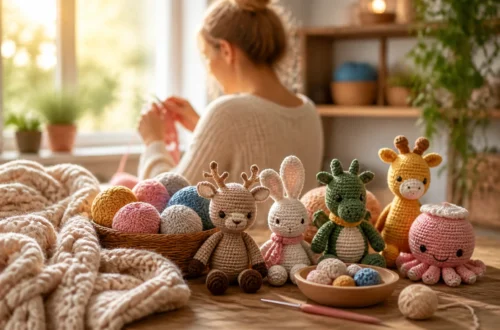
6 Crafts To ACTUALLY Sell Right Now For High Profits
July 3, 2026
A quick reality check: some crafts crush it in 2026, while others barely scratch a profit. I’m breaking down six clear winners with real data behind them, so you don’t chase cute without cash flow. Let’s dive into the concrete, high-margin options you can start today.
1) Botanical Resin Pieces: High Margins Meet One-of-a-Kind Charm
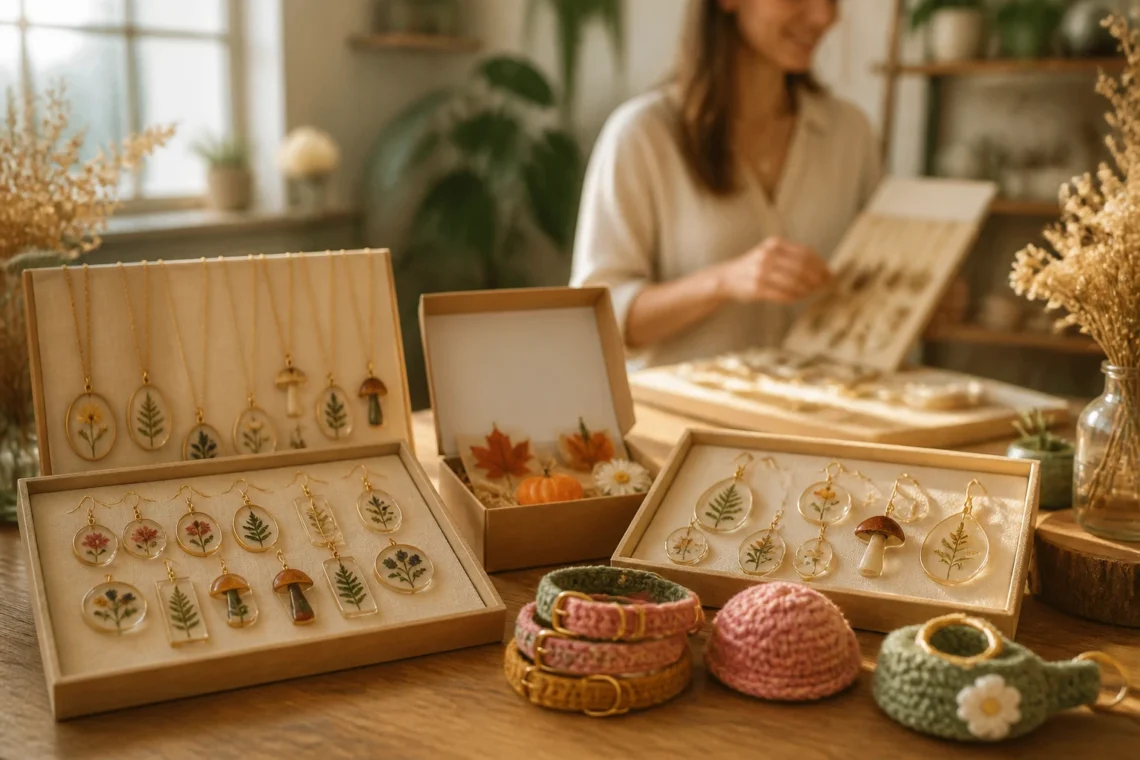
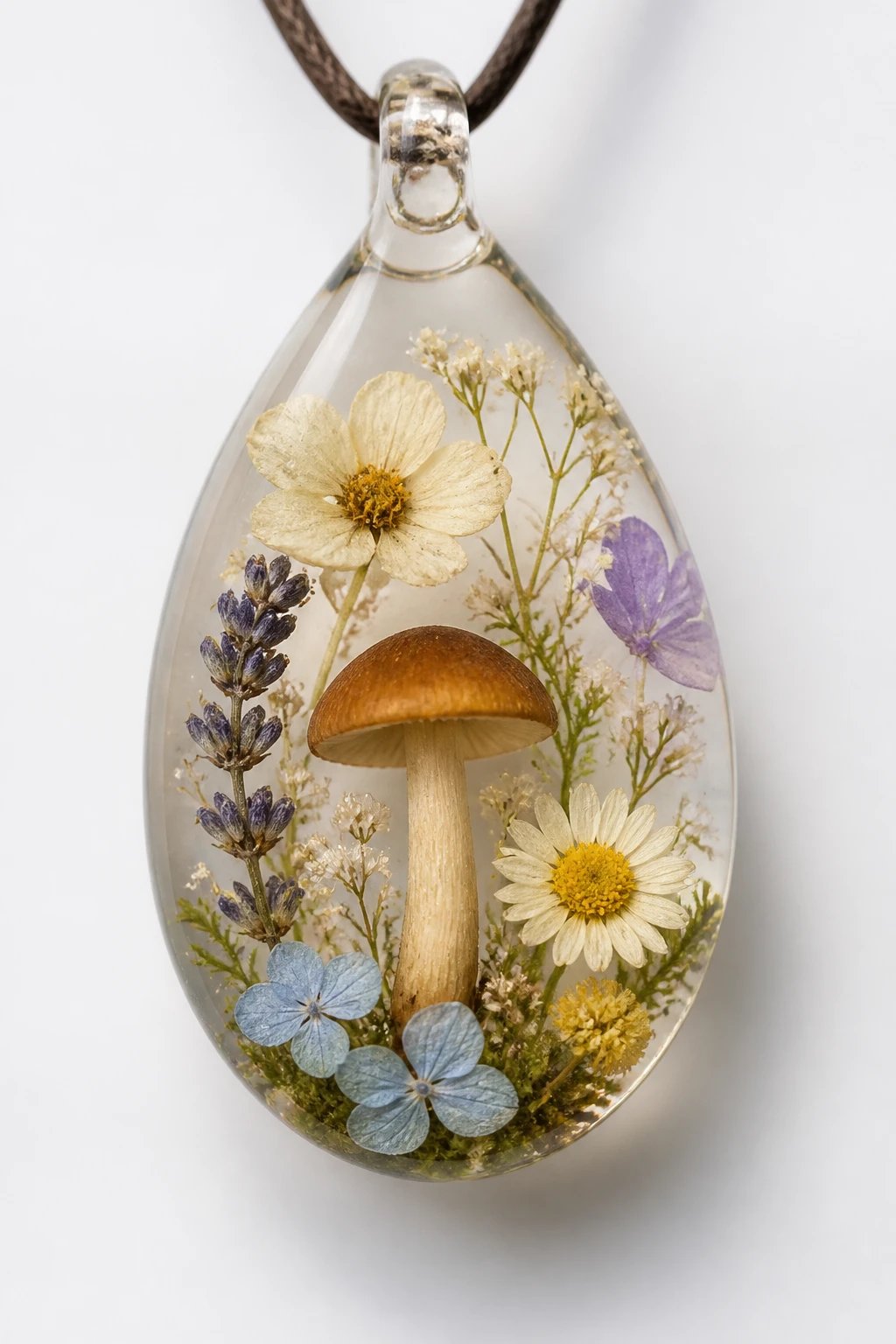
Crafts you can make for just a few dollars in materials but price from $40 up to $150 or more? Yes, please. Botanical resin jewelry—pressed flowers, mushrooms, ferns captured in resin—has become a standout. The secret sauce isn’t just pretty pieces; it’s differentiating your work.
– Why it sells: strong demand for nature-inspired, handmade items that feel organic and unique.
– Margins to chase: premium pricing based on design and perceived value.
– How to stand out: avoid generic shapes and common embellishments. Think wedding bouquet resin pieces, mood-inspired collections, or season-specific themes that give your line a distinct story.
FYI: resin jewelry is projected to grow significantly through 2030, so there’s momentum behind this category. If you want to push pricing, tell a story with each piece and offer limited editions or themed capsules.
Deep dive: The differentiator toolbox
– Theme-driven lines (seasons, symbolism, special occasions)
– Custom orders (bouquets preserved in resin)
– Distinct packaging and branding that screams “you” in photos and on social
2) Crochet Pet Accessories: Cute, Small, Fast to Make, Big Demand
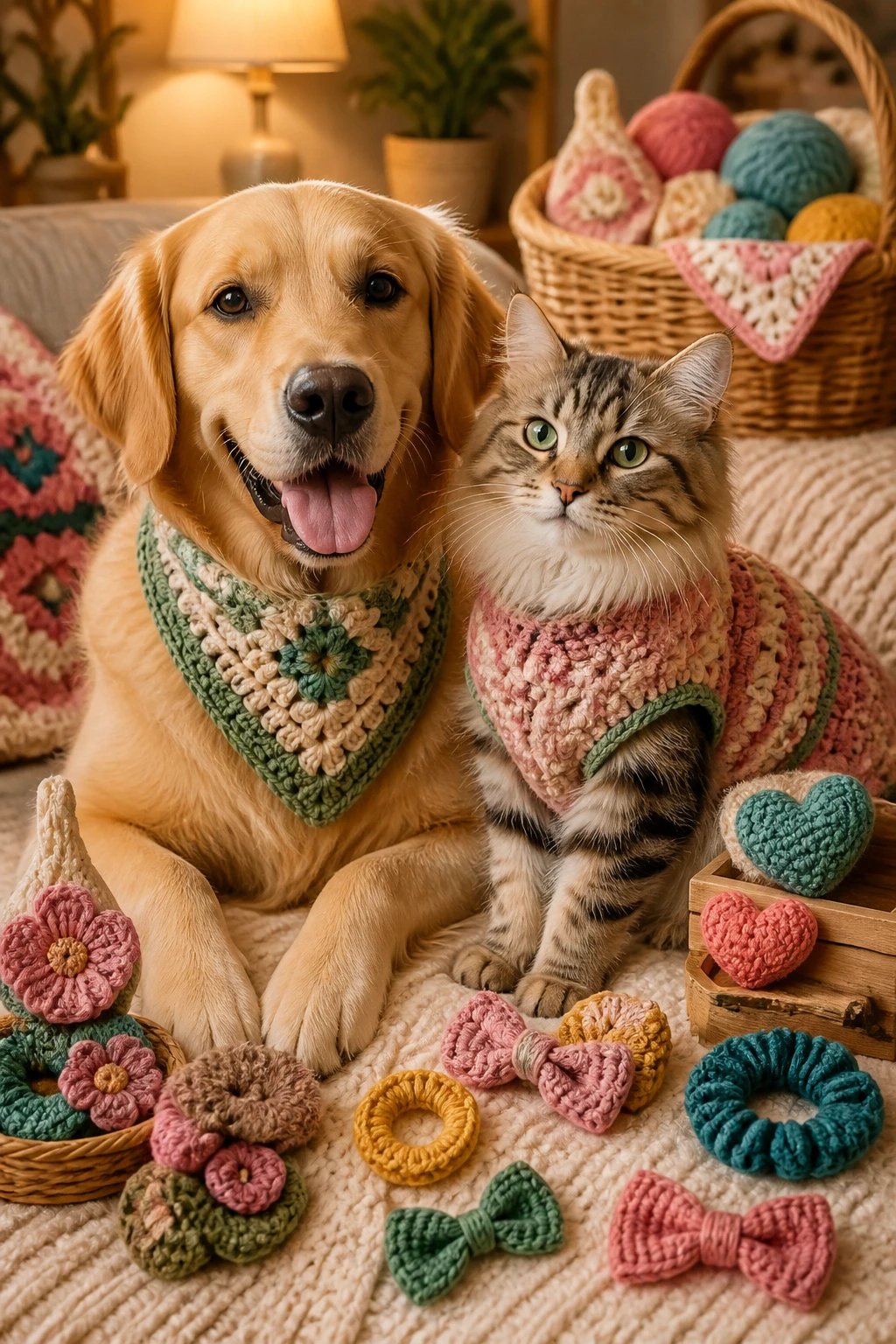
Pet lovers go wild for accessories, and the data backs it up. Crochet items for dogs and cats—bandanas, tiny sweaters, toys, and niche pieces—tap into emotional buying. People don’t always rationalize pet purchases; they want something adorable.
– Market pull: global pet accessories market is booming and expanding toward a multi-billion-dollar future.
– Quick wins: focus on small, easily sized items and seasonal drops. Matching owner-pet sets work surprisingly well.
– Aesthetic play: lean into specific breeds, adorable themes, or cohesive mini-collections that feel curated, not generic.
Practical tips
– Keep sizing simple or size-label friendly for quick batching.
– Steer clear of overly generic pet items; build a recognizable vibe (color palette, motifs, textures).
– Use seasonal drops to create anticipation and repeat buys.
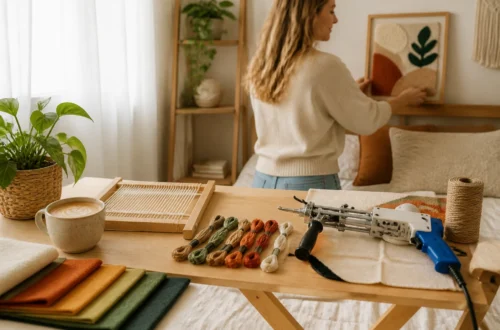
3) Tufted Rugs and Textile Wall Art: Decor That Feels Bespoke
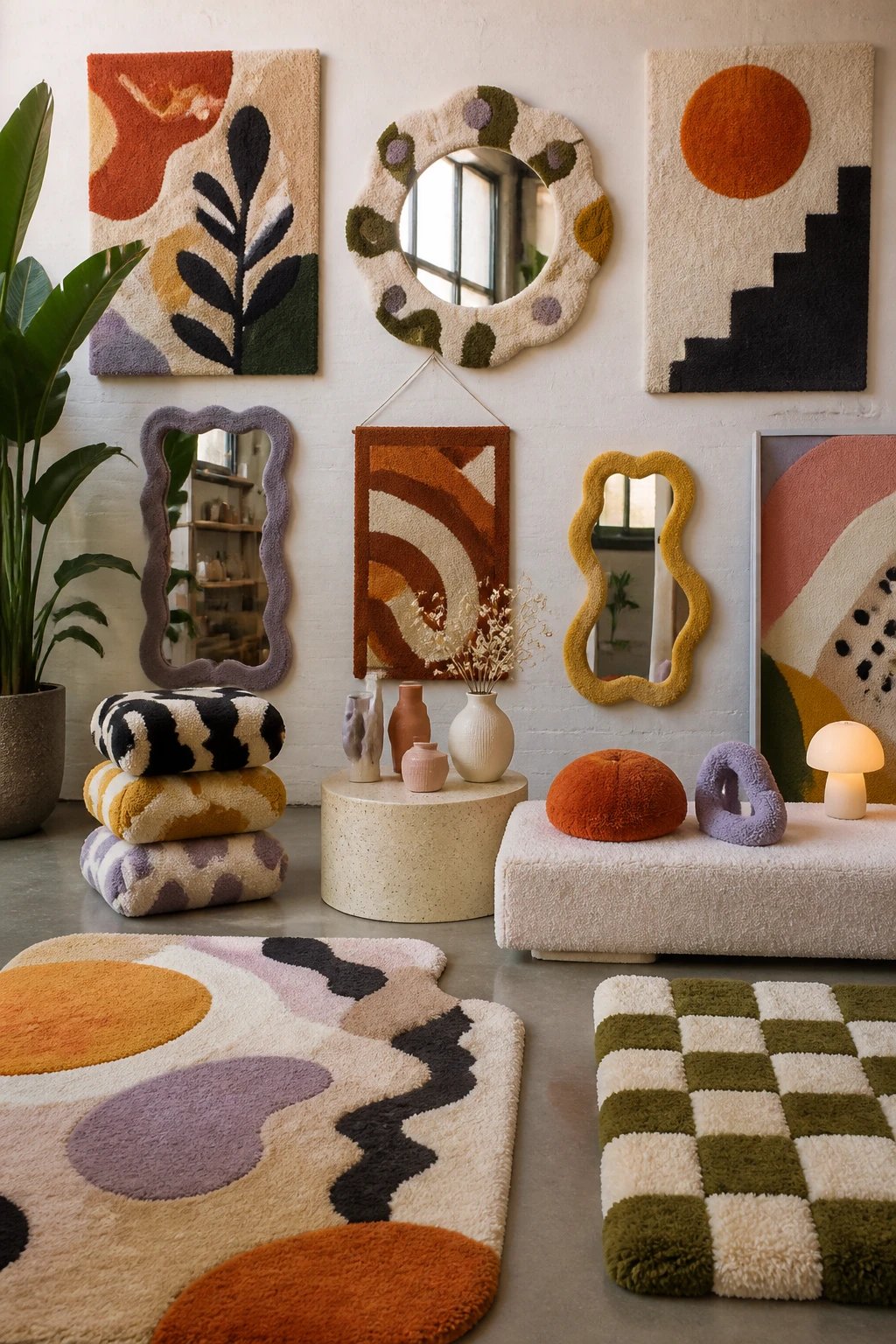
Home decor is not about generic fillers anymore—buyers want statement pieces that look custom. Tufting rugs, mirror tufted pieces, and bold wall hangings fit that crave for personality.
– Market momentum: home decor values personalization and bold aesthetics; the overall market is large and growing.
– Pricing power: rugs and large textile art can command $80 to $500+, especially when they’re original and cohesive as a collection.
– Design discipline: avoid copyright pitfalls by steering clear of logos and popular IP; focus on original designs and a defined style.
Creating cohesive collections
– Build a small, recognizable collection with a unifying color story or motif.
– Offer custom sizes or custom colorways to boost perceived value.
– Invest in showpiece photos that communicate “art” rather than “craft.”
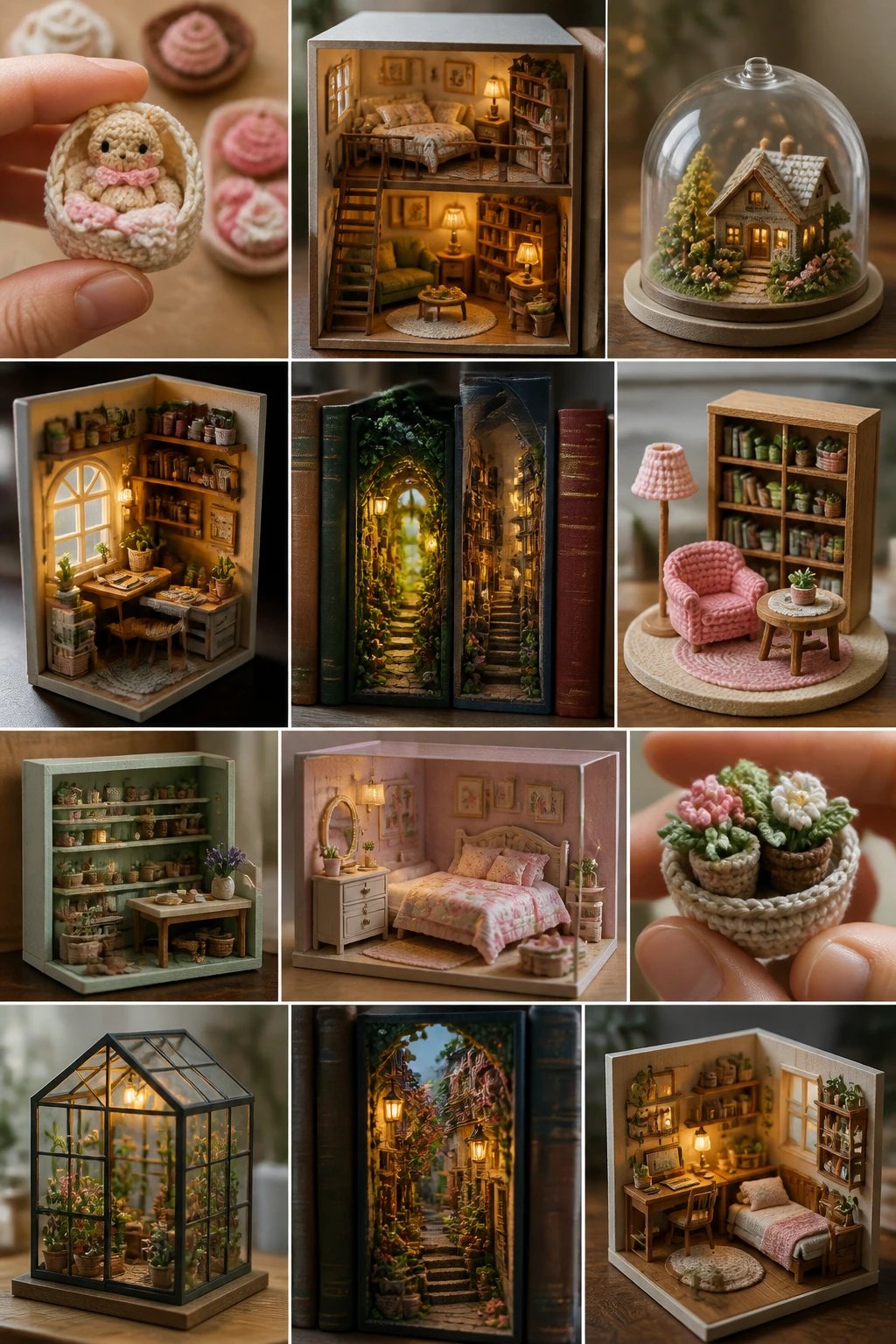
4) Miniature Crafts and Book Nooks: Tiny Worlds, Big Gift Appeal
Miniature scenes—dollhouse vibes, tiny rooms, and book nook inserts—are trending hard. These tiny worlds smash it as gifts for book lovers, holidays, or anyone who loves a whimsical touch.
– Trend signal: miniature kits and related crafts surged dramatically in 2025, with heavy social media interest.
– Giftability factor: these are inherently shareable and giftable, which fuels word-of-mouth sales.
– Production angle: tiny items batch well and become addictive to perfect, so you can grow through a project-based line.
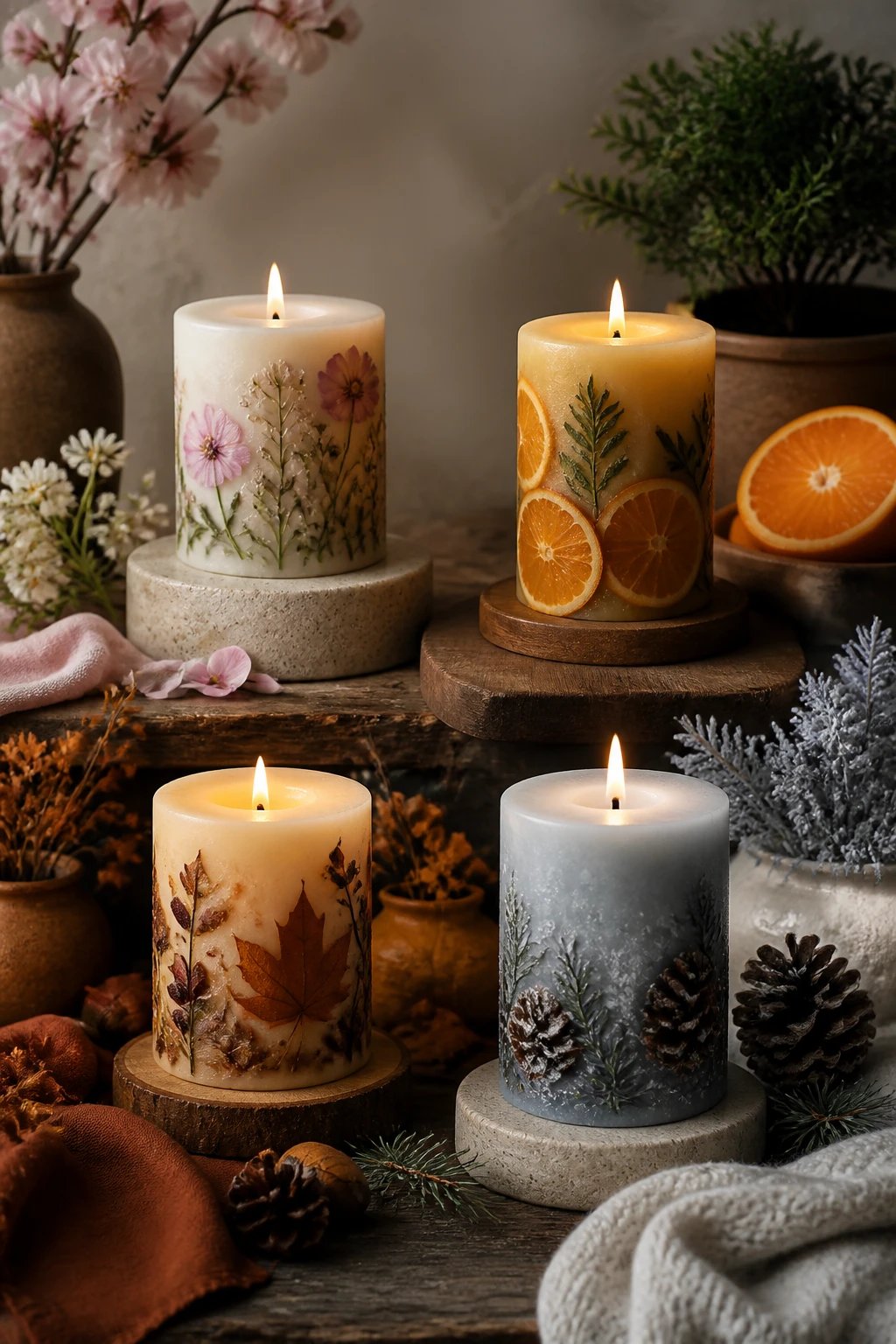
5) Handmade Candles: Sculptural, Niche, and Highly Coveted
Candles aren’t just about scent anymore—they’re decor. Sculptural and niche-themed candles turn a simple product into a lifestyle piece.
– Market baseline: candle market is sprawling and growing, with decor-focused buyers willing to pay a premium.
– Price range: many sculptural or themed candles sit in the $20–$60 range, with larger or more artistic pieces fetching even more.
– Repeat business: candles burn out, so there’s a natural invitation for repeat purchases if you deliver consistent quality and a compelling aesthetic.
6) Polymer Clay Charms and Statement Accessories: Playful, Fast, Fashion-Forward
Polymer clay sits at the crossroads of fashion and self-expression. Chunky earrings, bag charms, and quirky accessories ride the wave of Y2K nostalgia and maximalist fashion trends.
– Growth trajectory: the polymer clay market is expected to expand well into the next decade.
– Production advantage: clay is lightweight, cheap, and batch-friendly, making it easy to scale.
– Online magic: the process of sculpting, baking, and assembling translates wonderfully to video content, boosting the chance of going viral.
Batching and branding tips
– Batch multiple shapes at once to maximize efficiency.
– Use bold, cohesive branding that feels playful but intentional.
– Show the making process in reels or tutorials to attract followers and buyers.
FAQ
What margin can I realistically expect with these crafts?
Margins vary by category, but many high-margin options can start with materials costing just a few dollars while selling for tens to hundreds, depending on design, branding, and perceived value. The key is to price with intention and present your work as a collectible or art piece.
How do I stand out in saturated markets like resin or polymer clay?
Find a differentiator: unique themes, custom commissions, limited editions, or a strong narrative behind each piece. Quality photography and packaging also help your items feel premium rather than mass-market.
Are these crafts scalable for a small business?
Yes. Start with one or two core products, batch production, and build collections. Move into limited editions, then expand with related accessories or complementary lines to maintain momentum.
What platforms work best for selling these crafts?
Visual-first platforms shine: Instagram, TikTok, Pinterest for discovery, and marketplaces like Etsy for reach. Use short-form videos to showcase process, and post high-quality product photos to convert interest into sales.
How important is branding in this space?
Very. Your brand is the story that escorts buyers from “cute” to “worth it.” Cohesive visuals, packaging, and a clear niche help buyers remember you and justify higher price points.
Conclusion
If you’re starting a craft business in 2026, you don’t want to chase every cute idea. You want the six proven paths that are currently profitable, backed by market data and real seller experience. Botanical resin pieces, crochet pet accessories, tufted rugs and textile art, miniature crafts, sculptural candles, and polymer clay accessories all offer strong margins and growing demand.
So, which path fits your vibe and skills? IMO, the best approach is to pick one or two you can authentically own, build a small cohesive brand around them, and test the market with mini collections or limited drops. FYI, the right branding and storytelling can turn a simple handmade item into a coveted piece people are excited to buy.
Want more examples or a deeper dive into any of these categories? Drop a comment with what you’re testing, and let’s trade tips and wins.