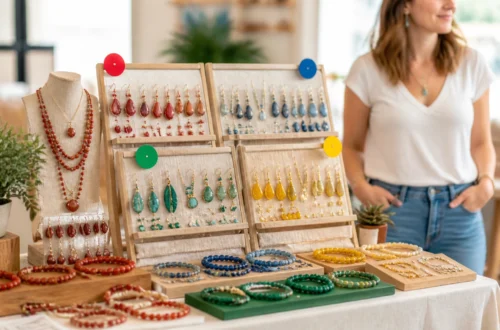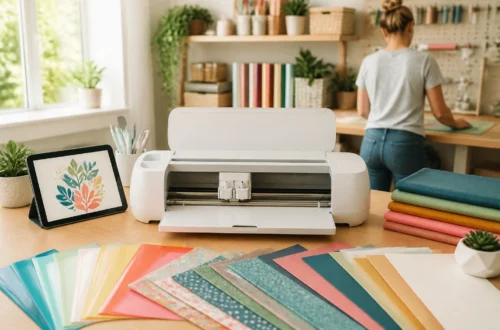
Ready to turn your handmade passion into a storefront that actually earns you cash? You’re in the right place. These steps are simple, actionable, and designed to get you selling fast. You’ll feel confident, organized, and maybe even a little obsessed with your own shop. FYI, this is totally doable in a weekend if you stay focused. Let’s dive in and make your shop shine.
1. Nail Your Niche And Brand Voice

Choosing a clear niche helps you stand out in a crowded marketplace. Your brand voice tells buyers who you are without saying a word. When these align, people recognize your shop in a heartbeat.
Key points to consider:
- What makes your creations unique?
- Who is your ideal customer?
- What emotions do you want your shop to evoke?
Apply a consistent tone across listings, photos, and about sections. This consistency builds trust and makes customers want to return. When you nail your niche, every product description feels like a natural extension of your brand.
2. Gather Your Photos And Visuals Like a Pro
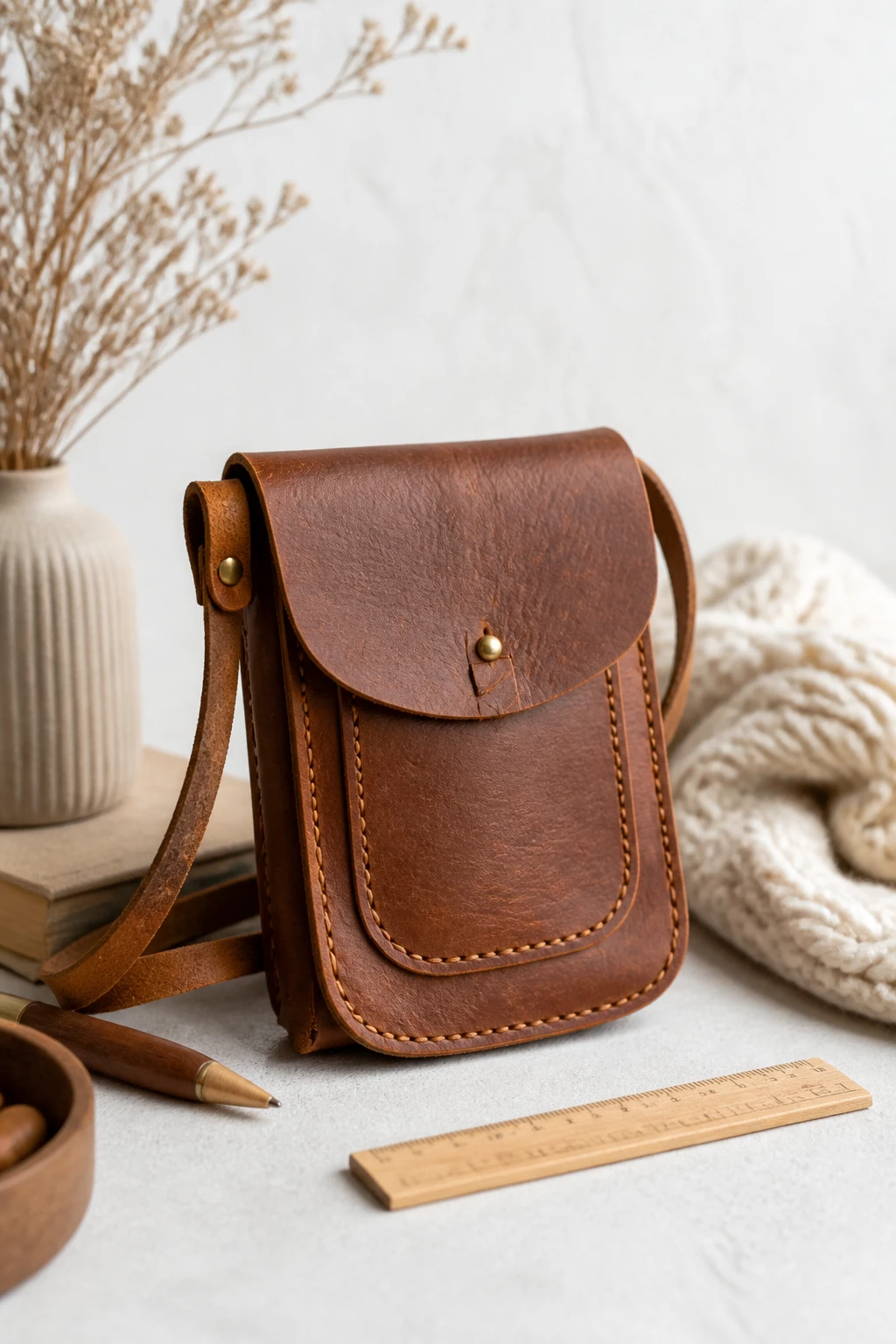
Great product photos are half the sale. You’ll want clean, bright images that tell a story and show real detail. People can’t touch your item, so your photos have to do the convincing.
Tips to get stellar visuals:
- Use natural light and a simple backdrop
- Show multiple angles and a scale reference
- Include a lifestyle shot to illustrate usage
Invest a little time in styling and editing. A consistent photo style helps your shop look professional and trustworthy, which people notice and remember.
3. Write Clear, Compelling Listings That Convert
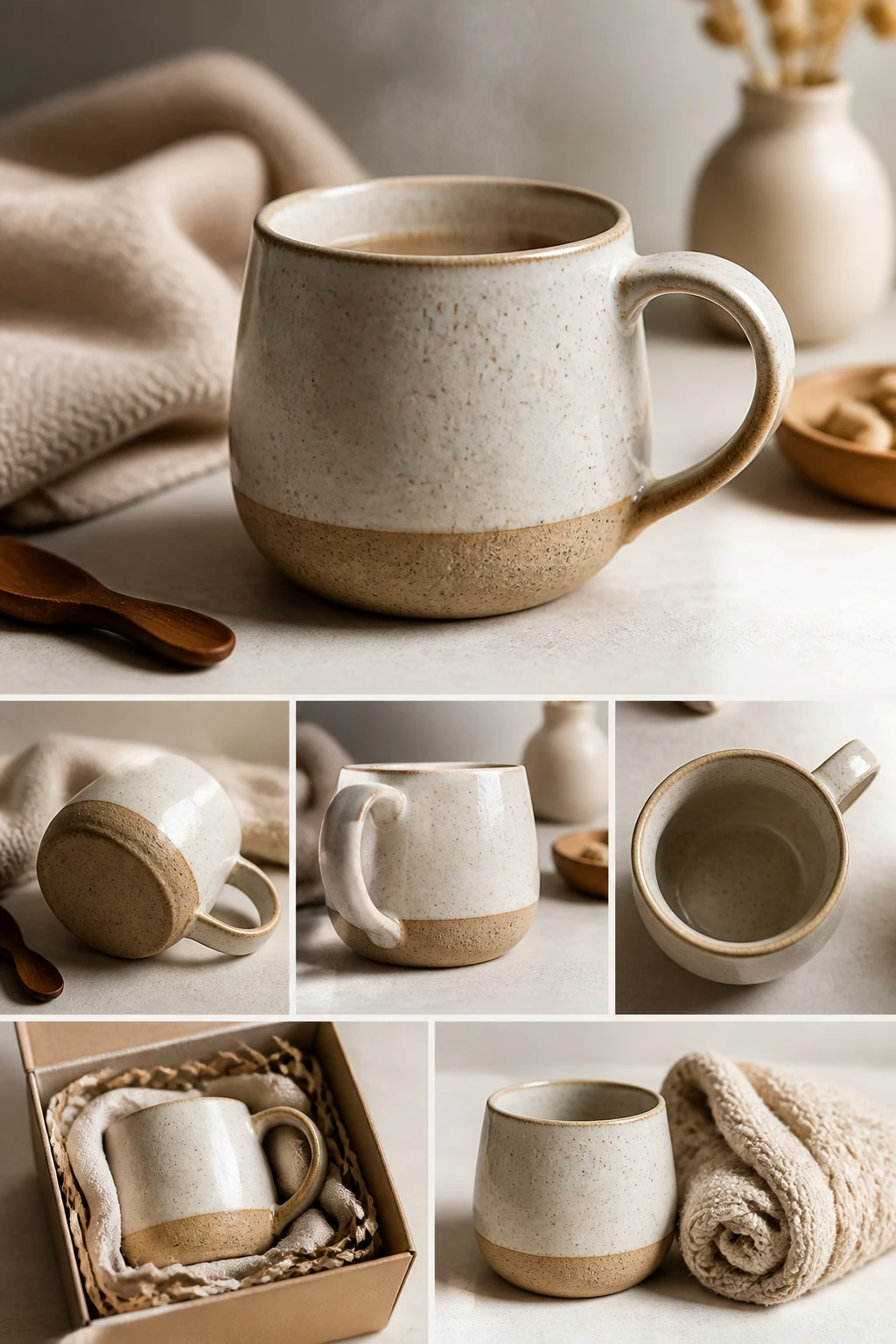
Your product descriptions are where you close the sale. They should be informative, friendly, and sprinkled with personality. Don’t just list features—tell buyers how it fits into their life.
Structure to use:
- Short, punchy opening that hooks
- Material, size, care instructions
- Usage suggestions and gifting ideas
End with a quick call-to-action. Keep sentences short and scannable; most shoppers skim, so make key points easy to find. Trust me, clear descriptions reduce questions and cart abandonment.
4. Set Up Your Shop Policies And FAQ

Policies are the quiet power behind happy customers. Clear guidelines reduce disputes and protect your time. A friendly tone doesn’t hurt either.
What to cover:
- Shipping costs and timelines
- Returns and exchanges policy
- Processing times and customization lead times
Place these in easily accessible sections and reference them in listings. When buyers know exactly what to expect, you’ll save yourself a lot of back-and-forth drama.
5. Price Strategically With Profit In Mind
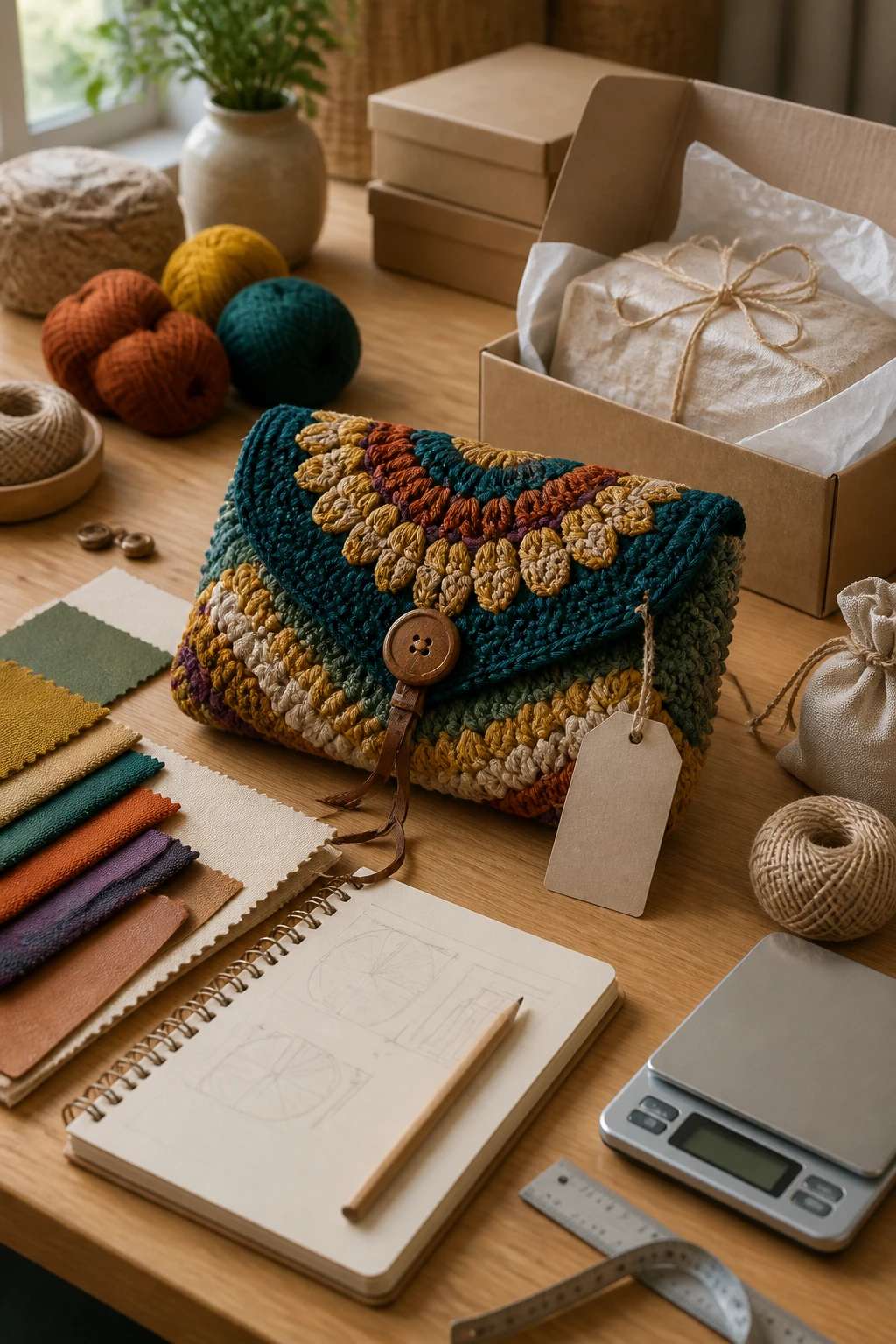
Pricing isn’t just about covering costs—it’s about valuing your time and craft. Do the math, then add a little room for those spontaneous impulse buys.
Helpful approach:
- Calculate materials, labor, and overhead
- Add a comfortable profit margin
- Consider packaging and shipping costs
Consider tiered pricing for bundles or multiples. Pricing right also helps you compete without devaluing your work. Seriously, don’t underprice your genius just to get a sale.
6. Optimize Shop Structure For Discovery
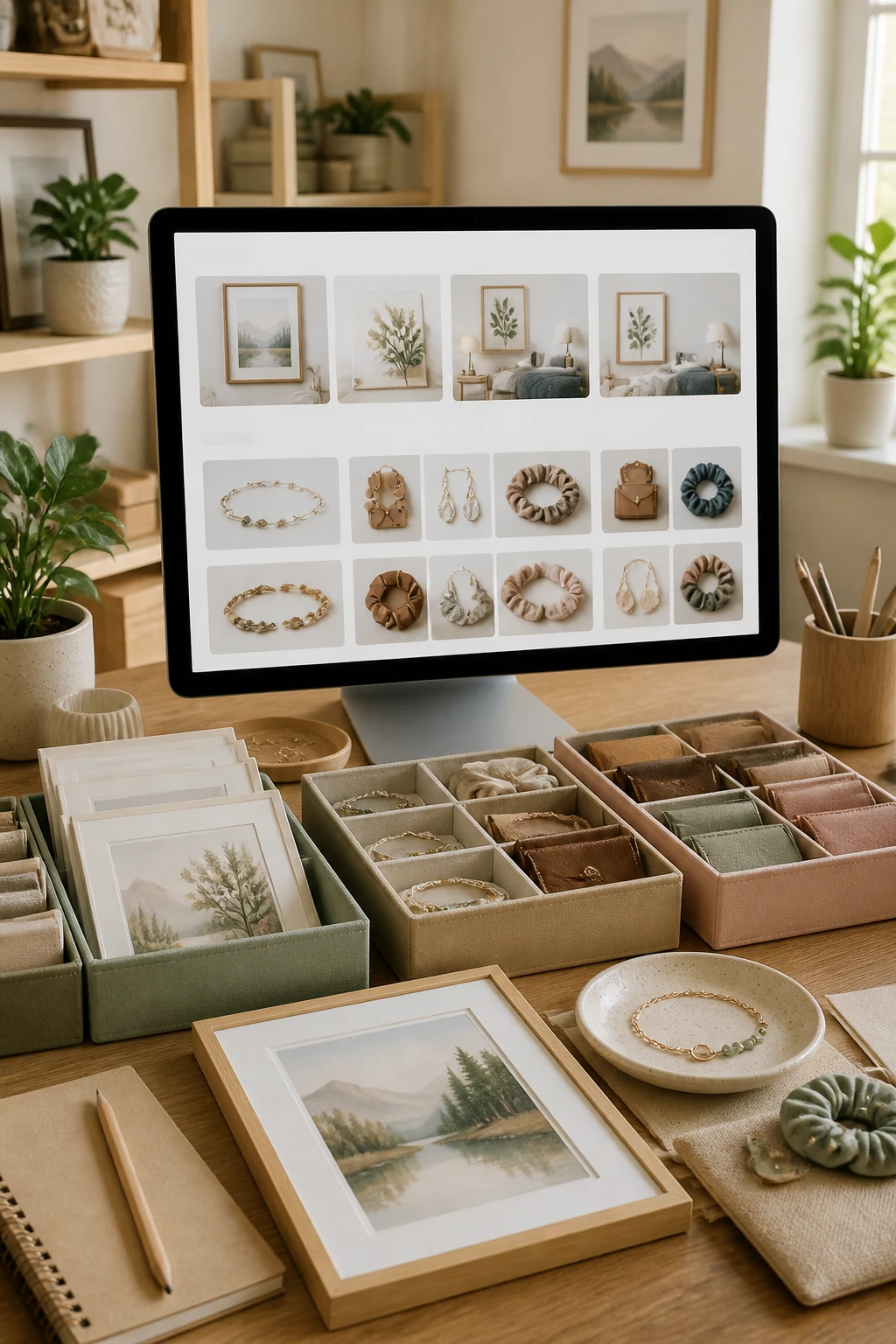
A well-organized shop makes it easy for buyers to explore and fall in love with more items. A clean layout also helps with Etsy’s search tools.
Smart structure tips:
- Create cohesive shop sections (e.g., “Wall Art,” “Custom Accessories”)
- Use keyword-rich, natural titles for listings
- Fill out shop sections with relevant items
When your shop feels navigable, buyers are more likely to browse longer and add multiple pieces to their carts. Trust me, a tidy shop reduces bounce and boosts confidence.
7. Nail Your Titles, Tags, And SEO Basics

SEO isn’t mystical—it’s about using the right words people actually search for. Your titles and tags are the highway map to your products, so make them smart and specific.
Quick SEO checklist:
- Use descriptive, keyword-rich titles
- Include 13–15 relevant tags per listing
- Incorporate long-tail phrases buyers might type
Keep language natural and not stuffed with keywords. Remain readable, but be intentional about discovery. FYI, listings with clear terms and good tags get more clicks.
8. Plan A Launch Strategy That Builds Momentum

Launching with a plan creates buzz and sets the pace for your shop’s early momentum. A little anticipation goes a long way.
Smart launch moves:
- Offer a limited-time bundle or discount
- Announce on social media and to your email list
- Invite friends and family to share and review (ethically, no fake reviews)
Track results and iterate. If you see what resonates, double down on it. This isn’t luck; it’s data-driven momentum.
9. Set Up Customer Service That Feels Personal

Great customer service turns first-time buyers into repeat customers and raving fans. You want “wow” moments, not just transactions.
What to focus on:
- Respond promptly and warmly to inquiries
- Offer thoughtful packaging and small freebies when possible
- Follow up after delivery to ask for feedback
When you treat people like people, sales feel less transactional and more like building lasting connections. Seriously, that makes your shop feel alive and trustworthy.
Entrepreneurship is a ride, not a race. These steps build a foundation you can grow on while keeping the vibe fun and real. You’ve got this, and your handmade items deserve to shine online.
Ready to start? Gather your supplies, pick a niche you love, and dive in. Your first sale could be around the corner, and your future self will thank you for taking action today.