Let’s cut to the chase: do you need a Cricut to launch a crafty side hustle, or can you go full DIY with zero regrets? If you’re eyeing blanks, heat presses, and clever packaging, you’re in the right place. We’ll chat about real costs, real benefits, and whether the machine is a sexy accelerator or a fancy penny pincher.
First, What a Cricut Actually Does for a Craft Biz
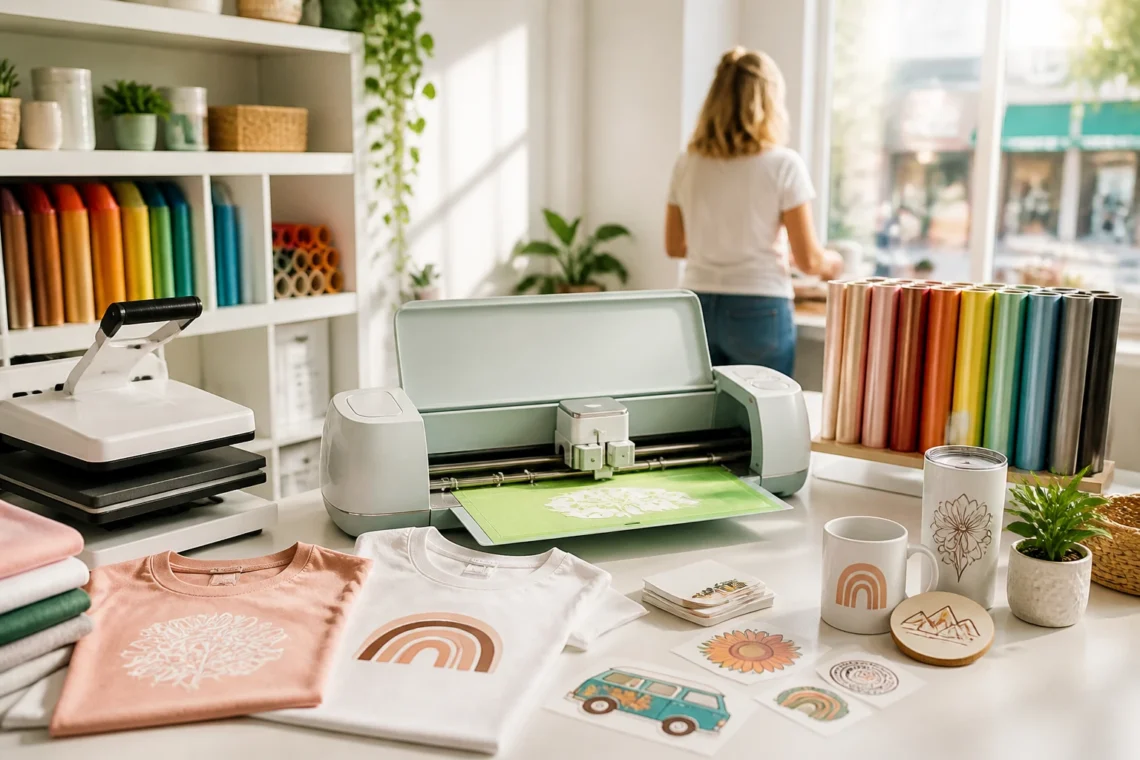
Think of a Cricut as a super handy helper that turns your designs into physical products fast. It cuts, writes, Etches, and even cusses when you mess up—okay, maybe not the last one. If you’re making decals, custom shirts, stickers, or vinyl signage, the machine can shave hours off production time. FYI, speed isn’t everything, but it sure helps when you’re chasing orders and weekends are booked solid.
Do You Really Need It to Start?
Short answer: no. Long answer: it depends on your product line, budget, and confidence with other tools. You can absolutely start small with a manual cutter, scissors, and a budget-friendly heat press (or even a home iron). The big question: will a Cricut give you a faster path to cash, or will it become a pricey ornament on your desk?
When a Cricut Makes Sense
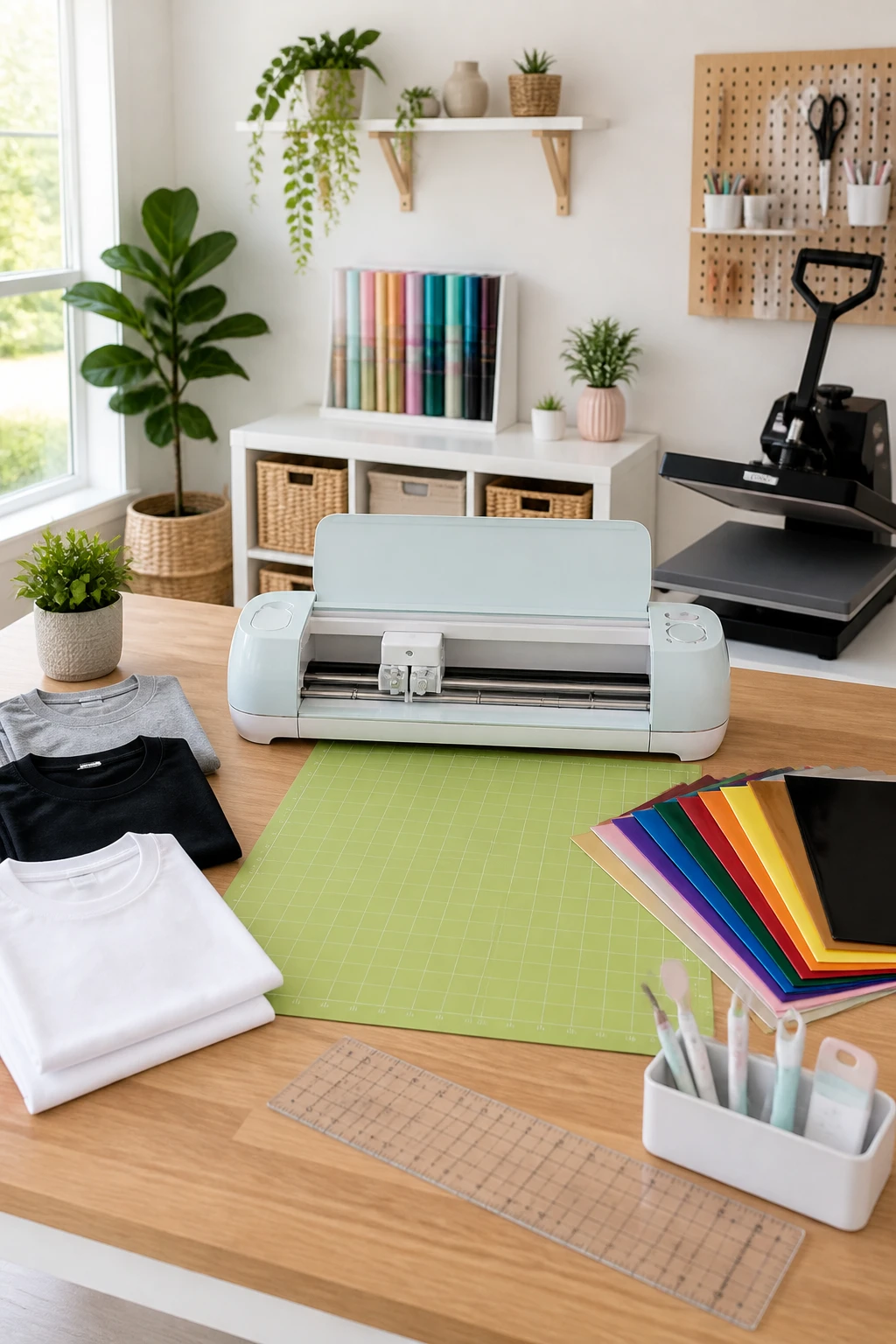
Here are the scenarios where pulling the trigger makes sense:
- You’re chasing customization at scale. Personalization is hot. Names, dates, quirky designs—these sell.
- You want consistent quality. A die-cut is a die-cut, every time. Less hand fatigue, more repeatable results.
- You’re selling online or at markets. Quick turnarounds mean happier customers and more repeat orders.
- You plan to offer multiple product lines. From shirts to mugs to stickers, a single machine can handle many formats with the right attachments.
When You Might Be Better Off Without It
Investing in a Cricut isn’t a guaranteed win. Consider these red flags:
- Low order volume. If you’re getting a handful of gigs a month, a big tool may feel like overkill.
- Limited product ideas. If you don’t have a clear, repeatable design strategy, you’ll end up with a garage full of unused supplies.
- Budget constraints. The machine, supplies, mats, and software add up. You’ll also want backup heat settings, transfer tapes, and vinyl varieties.
Cost Reality Check
Let’s talk money without the hype. A new Cricut machine runs in the couple-hundred-to-a-thousand-dollar range, depending on model and bundles. Then there are consumables: vinyl, transfer tape, blanks, adhesive, and cutter blades. Don’t forget software costs if you upgrade beyond the basics.
Here’s a simple way to estimate:
- List your product ideas and the materials they’ll need.
- Calculate per-item material costs and expected sale price.
- Estimate monthly orders and how many you’d need to cover machine costs.
If you’re aiming for a hobby that occasionally funds itself, the math can still be friendly. If you’re chasing a full-time business with tight margins, you’ll want a clearer plan and better forecasting.
Alternative Tools That Do the Trick
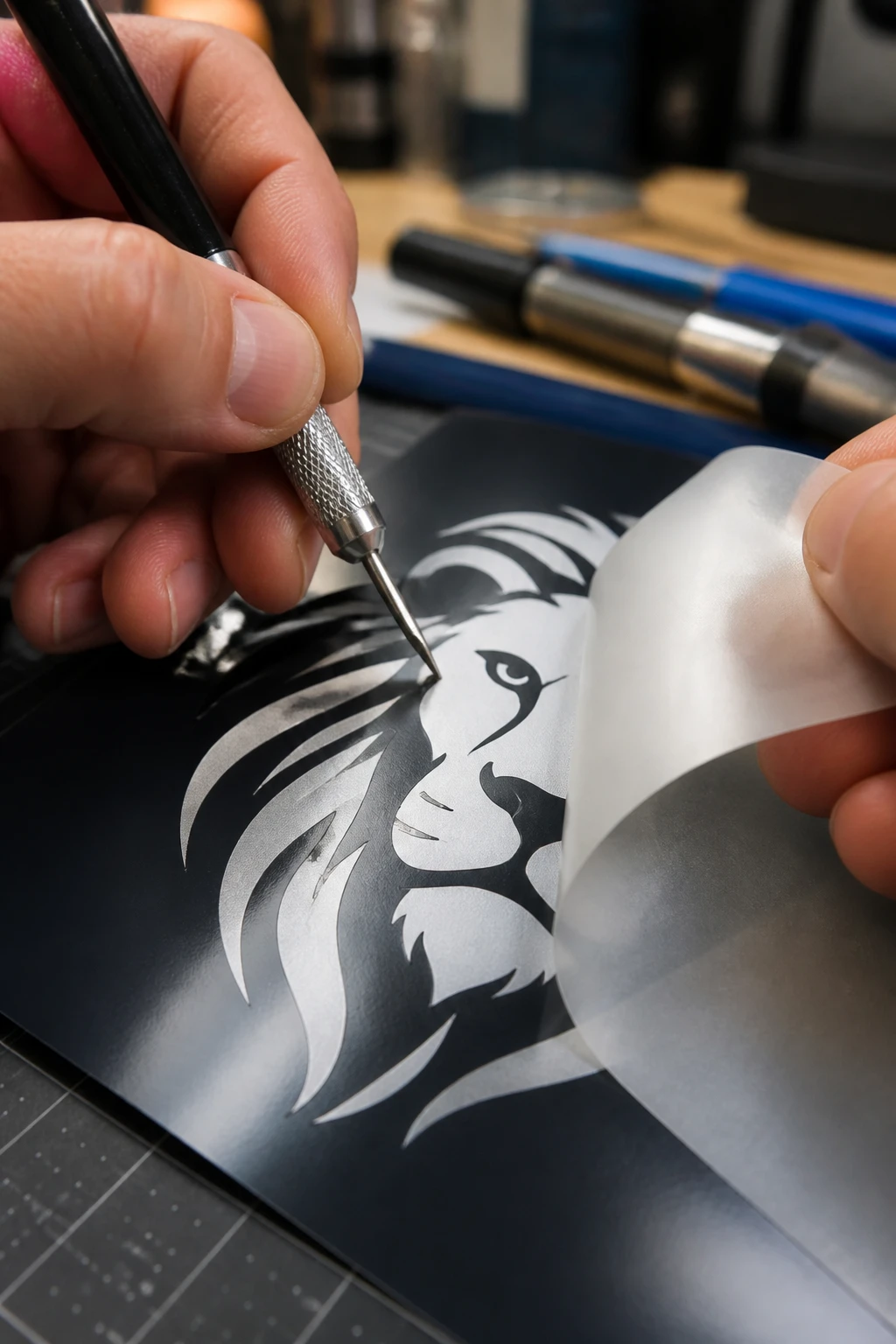
Not every great craft biz needs a Cricut. Here are solid contenders that might fit your style—and budget:
- Manual cutters and scissors: Cheap, quiet, portable, and perfectly adequate for simple shapes and test runs.
- Heat press and iron-tuners: Great for apparel if you’re doing a lot of transfers; you can learn the basics on low-cost gear.
- Laser cutters (budget options): If you’re ready for higher upfront costs and more precise cuts, a laser can unlock wood, acrylic, and more.
- Vinyl cutters without a fancy machine: Basic vinyl cutters paired with a cutting mat and household iron can cover return customers on decals.
Product Strategy: What You Should Sell First
Your first product line should be simple, scalable, and clearly differentiated. Think of two or three core items that you can reliably produce with predictable margins. Examples:
- Custom vinyl decals for laptops, water bottles, and walls.
- Personalized apparel with names or monograms.
- Printable sticker sheets with a consistent design set.
Test demand with quick-turn offerings. Collect feedback, then decide if you want to add more complex items or go all-in on a machine like the Cricut.
Space, Time, and Workflow Considerations
Before you drop cash, map out your workflow. Where will you cut, press, package, and ship? Do you have enough space for wet glues, sprays, and storage? A neat workflow saves you time and reduces misprints. FYI, your future self will thank you for a tidy setup when orders start flowing in.
Learning Curve Highlights
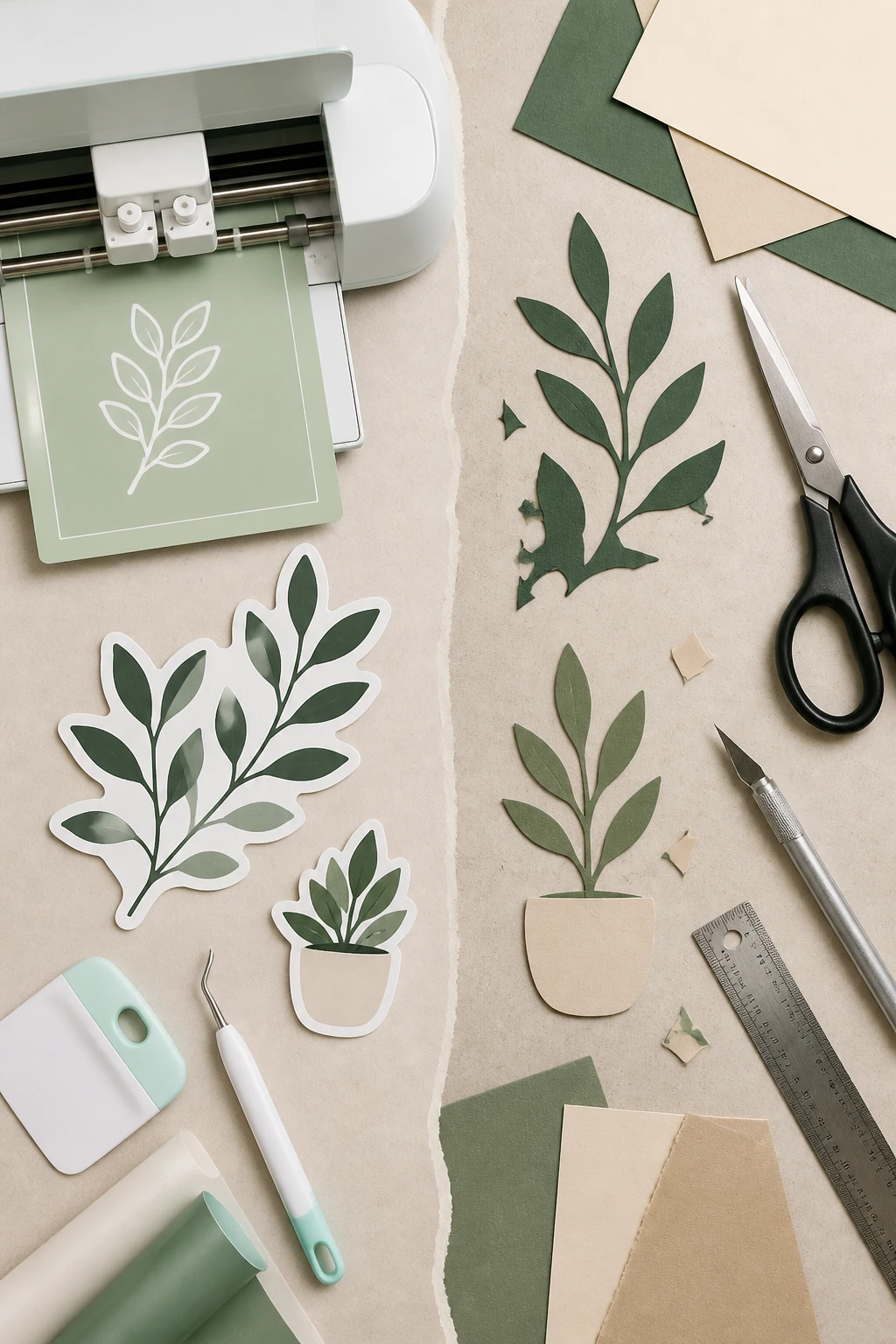
Yes, there’s a learning curve. You’ll fiddle with blade depth, pressure, and material settings. The good news: there are tons of tutorials, Facebook groups, and maker communities ready to help. Expect early miscuts, and don’t sweat it—it’s part of the game. IMO, get a small batch test run to dial in settings before offering items to customers.
How to Test the Waters Without Breaking the Bank
Trial runs beat a big purchase any day. Try these low-cost experiments:
- Offer a limited run of personalized decals to friends and family for feedback.
- Sell digital designs as printable SVGs and gauge demand for physical products later.
- Purchase a budget-friendly kit or second-hand Cricut to minimize risk.
FAQ
Is a Cricut essential for a craft business?
No. It’s a powerful accelerator for certain types of products, especially personalized items, but you can build a viable business with simpler tools or a mix of methods. The key is to validate demand first and choose tools that fit your product lineup and budget.
What are the real costs beyond the machine itself?
Beyond the Cricut, you’ll spend on materials (vinyl, blanks, transfer tape), replacement blades, mats, software upgrades, and possibly a better space or storage. If you scale, you’ll also need to replenish stock and packaging supplies. In short: plan for ongoing costs, not just a one-time buy.
How fast can I see a return on investment?
That varies. If you launch with high-demand personalized items and strong pricing, you might recoup quickly. If you’re hedging with slow sales, the break-even point drifts. Build a flexible plan, set monthly targets, and reassess every 4–6 weeks.
What if I don’t have space or a quiet home setup?
Compact, entry-level kits exist, and you can run smaller batches to minimize noise and space. Some makers separate their workspace from living areas or use a garage or shed. Just ensure proper ventilation and a clean, organized area for safety and efficiency.
Can I start with no design skills?
You can learn as you go. Start with simple, ready-made designs and gradually customize. There are plenty of free fonts and vector sets to experiment with. IMO, practice creates the confidence to offer more complex, higher-margin items later.
Should I wait for a sale or bundle deal?
Timing matters. If you’re ready to commit, bundles that include mats, blades, and a starter set can save a lot of upfront hassle. If you’re unsure, a single tool and basic supplies can still get you testing the waters without the guilt of wasted gear.
Conclusion: Make a Plan, Not a Pride Purchase
Do you need a Cricut to start a craft business? Not necessarily. It’s a powerful tool that can speed up production and unlock customization, but it’s not a magic wand. Start by validating demand, choose the right tools for your product line, and keep a lean operation. If growth hinges on speed and personalization, a Cricut can be a smart, scalable investment. If your plan is lean and your designs are simple, you can absolutely thrive without it. FYI, the best tool is the one that helps you ship great products consistently, not the one that looks coolest on your desk.