Introduction: Want to turn a fun hobby into a cash machine? This year’s polymer clay lineup is full of surprising money-makers—from wearable art to tiny, crave-worthy miniatures. Let’s break down the 15 top earners of 2026 and why they’re selling like hotcakes online and at craft fairs. FYI, some ideas might totally surprise you.
1) Statement Earrings: Bold Colors, Big Impact
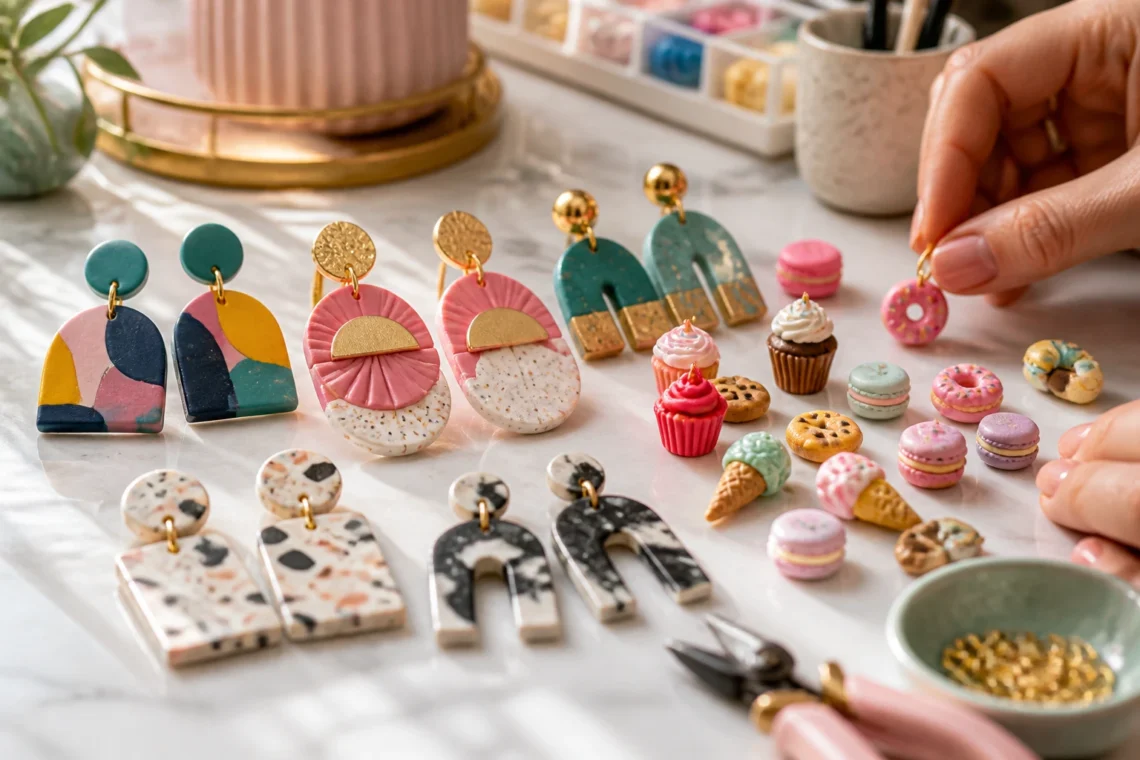
Statement earrings sit at the top of the list for a reason. Gone are the bland geometric shapes of years past; 2026 favors color-blocked designs with contrasting segments. Think fiery orange paired with deep purple, or neon greens next to hot pink. People love a piece that can steal the spotlight in photos and real life alike.
– Price range: $15–$50 per pair
– Material cost: about $2–$5 per pair
– Why they sell: lightweight, visually striking, and perfect for social media posts
– Pro tip: add metallic accents or shimmering finishes. A little micah powder goes a long way toward a luxe look
How to stand out: offer both earthy neutrals and bold color mixes to cast a wide net. And yes, 2–3 inch lengths photograph beautifully for feeds and reels.
2) Miniature Food Charms: Kawaii, Customizable, and High-Profit
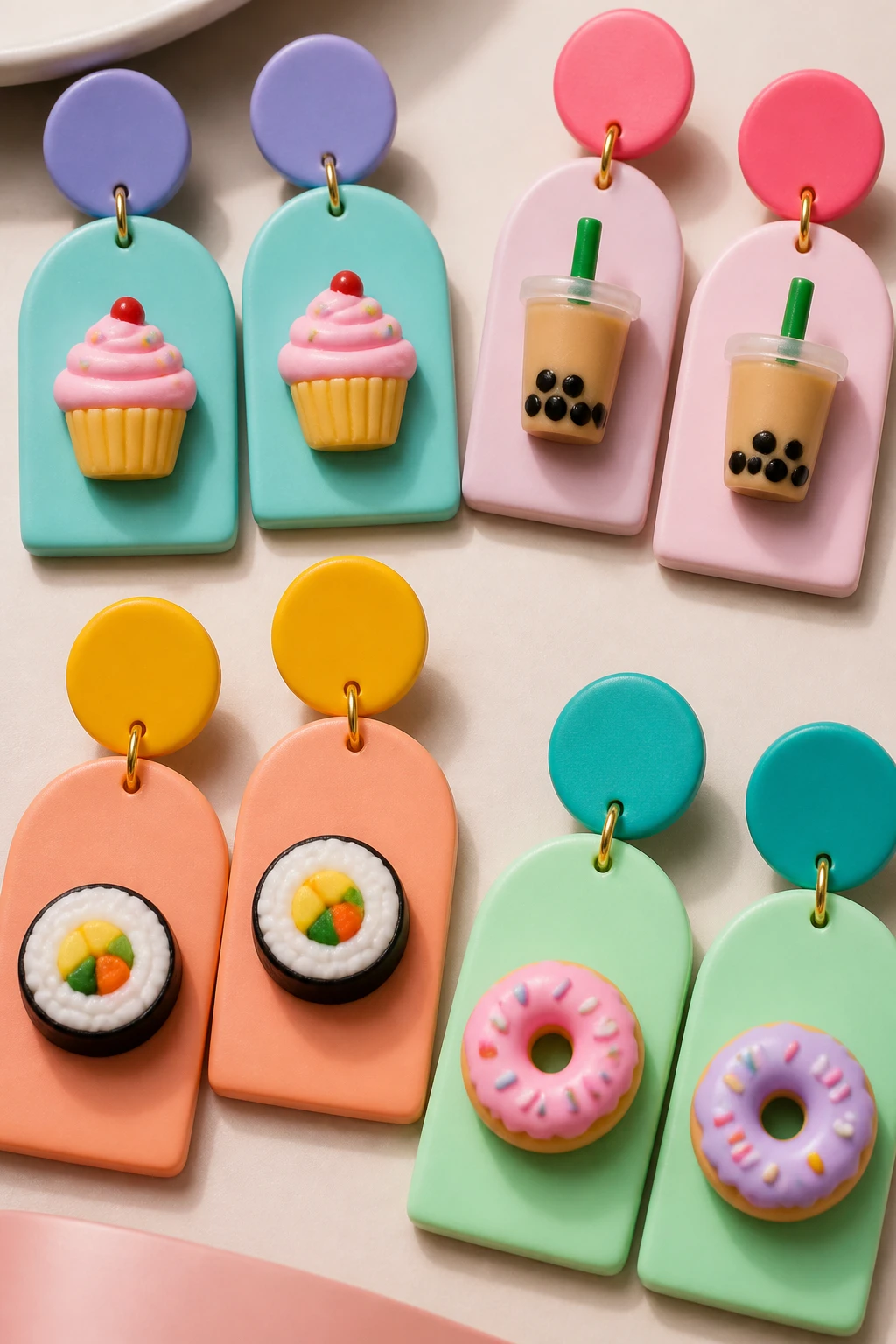
Miniature food charms are still printing money in 2026. Tiny cupcakes, sushi, boba cups, and pastel donuts—these little delights keep people buying in sets.
– Price range: $8–$20 each
– Material cost: around $0.50–$1 per piece
– Why they sell: strong gift and set-buying behavior, plus add-on potential
– How to maximize value: offer “build your own set” options for $35–$40, or themed bundles (Breakfast Club, Dessert Dream, Boba Bar)
B2B potential: collaborate with coffee shops or bakeries for custom charms featuring logos or menu items. Custom orders like a specific anime character in a bento box can fetch around $25.
3) Personalized Name Keychains: Textured, High-Value Customization
Personalization remains a hot revenue driver. Those with texture, dimension, and a bit of personality command bigger checks.
– Basic price: around $10
– With personalization: $18–$25, or $30–$40 with multiple touches
– Material cost: roughly $2–$3
– Production note: batch out 20–30 in an afternoon with a “Keychain Fridays” routine
What boosts worth: add name, favorite colors, a charm, or a milestone date. Corporate gifts or bridal-party sets are lucrative avenues.
4) Millie Fiori Plant Pots: “Painted” Not by Hand, But by Canes
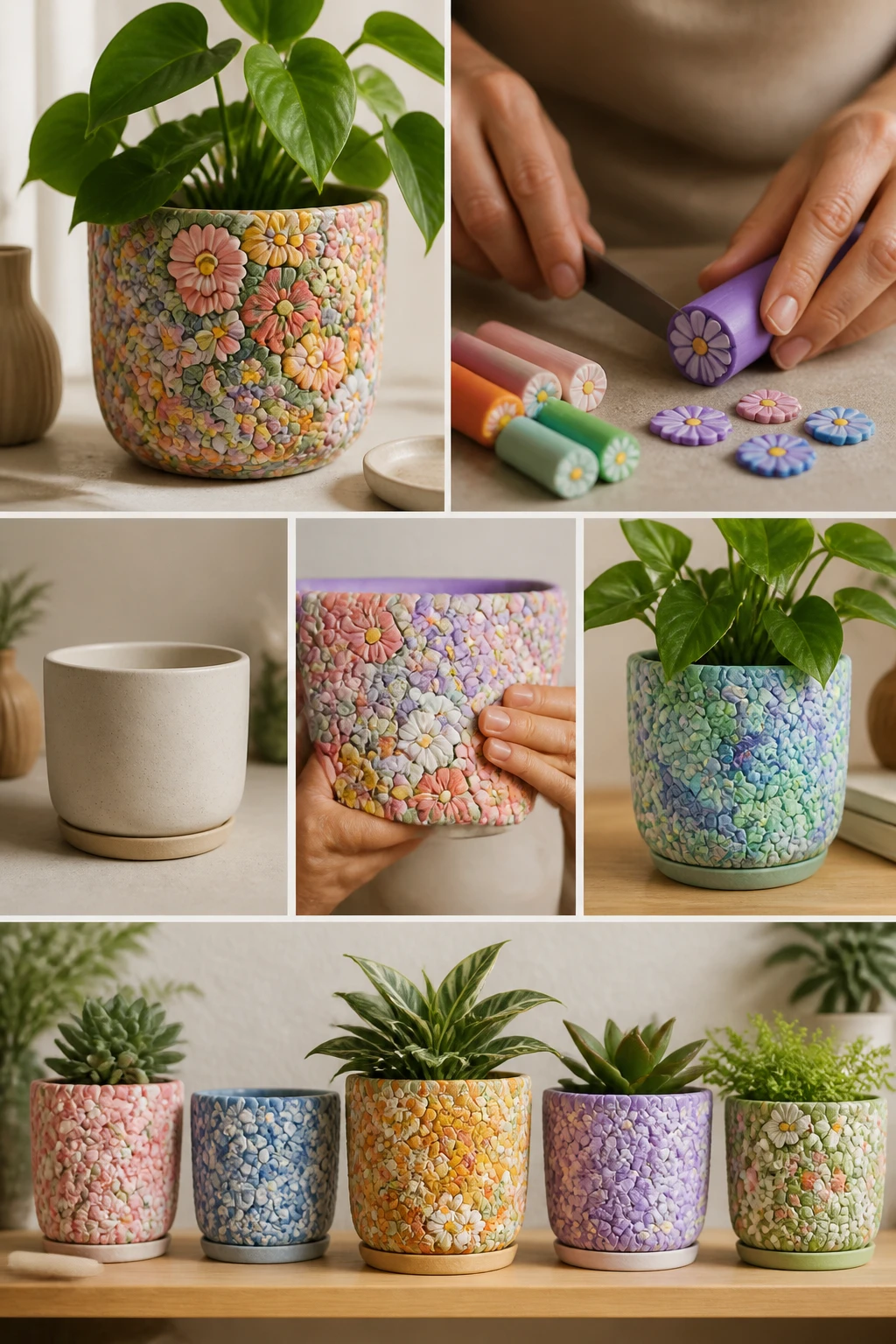
Millie Fiori converts simple plant pots into showpieces. You apply colorful clay canes, slice them into patterns, and cover plain ceramic pots for a premium look.
– Price range: $35–$75 per piece
– Material cost: a few dollars for the pot, plus clay
– Why it’s hot: each piece looks unique and premium
– Target market: plant lovers, gift buyers, and décor enthusiasts
Thrive with simple supply chains: plain pots are cheap, but the clay art elevates them into décor status.
5) Jewelry Dishes and Trinket Trays: Functional Art with Collectible Potential
These are tiny canvases that hold rings, earrings, and trinkets. They can be minimalist or boldly marbled, even embedded with dried flowers.
– Price range: $20–$60
– Material cost: $3–$7
– Why it sells: practical, photogenic, and easy to group into collections
– Growth hack: create coordinated sets for different rooms (nightstand, bathroom, office)
Pro tip: add feet or texture to the bottom for a perceived upgrade in quality.
6) Seasonal Ornaments: Year-Round Demand and Scarcity
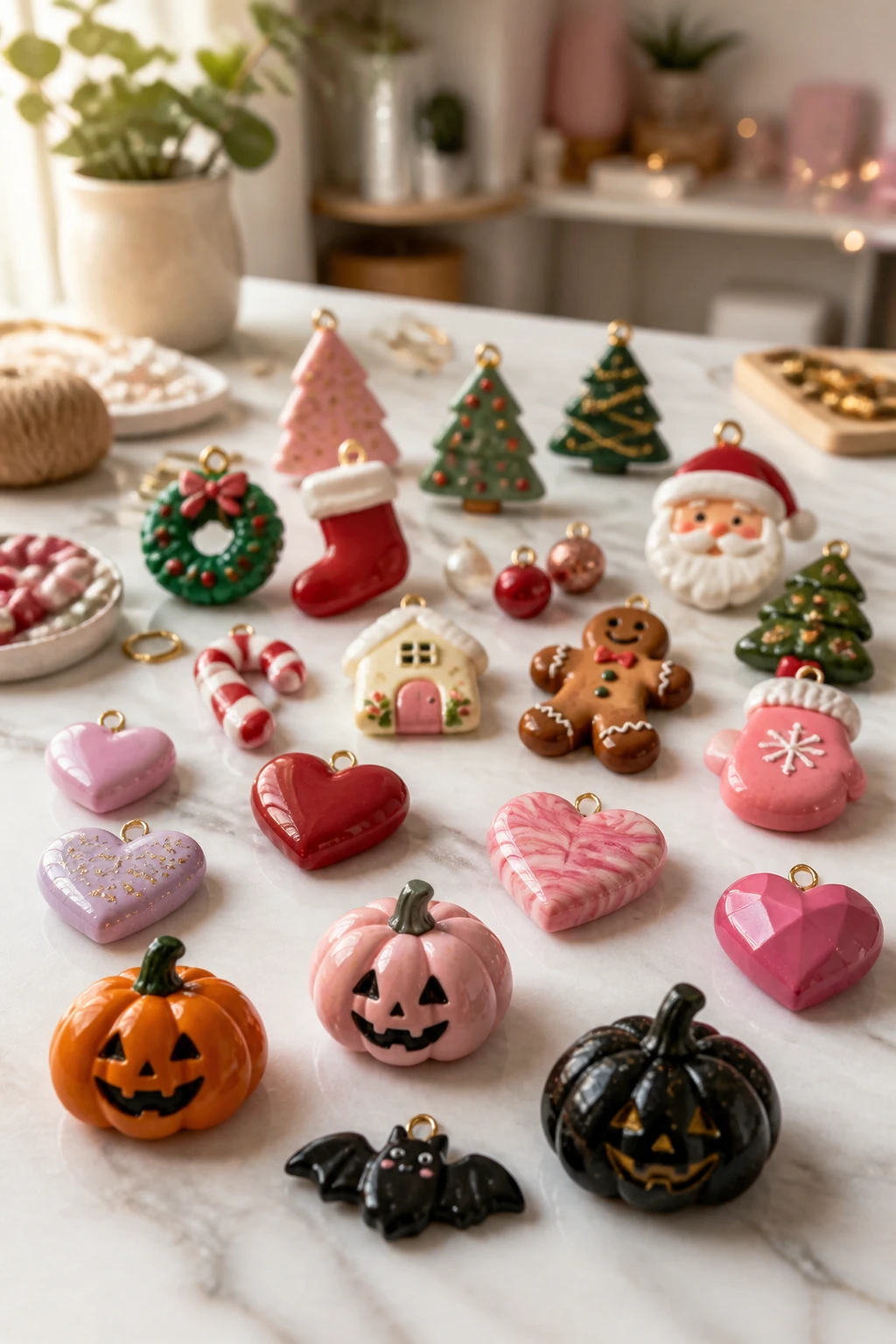
Ornaments aren’t just for Christmas anymore. Think Valentine’s hearts, Easter eggs, Halloween pumpkins, Thanksgiving leaves, and Fourth of July stars. Seasonal items create urgency and repeat buying cycles.
– Price range: $12–$35 each
– Material cost: $1–$2
– Why it sells: personalization adds value (names, dates, pet portraits)
– Growth tactic: offer ornament subscriptions for monthly “themed” pieces (e.g., February hearts, March shamrocks)
Wholesale option: ornaments scale well to boutique shops with restocks.
7) Textured Coasters: Durable, Beautiful, and Everyday Use
Coasters with texture and waterproof sealing appeal to practical buyers who still want something stylish.
– Set price: $25–$45 for sets of 4–6
– Material cost: $6–$10 per set including cork backing and sealant
– Why it sells: daily use ensures constant visibility in homes and offices
– Bonus: corporate gifts and real estate referrals for branded sets
8) Abstract Earring Sculptures: Wearable Art That Demands Higher Prices
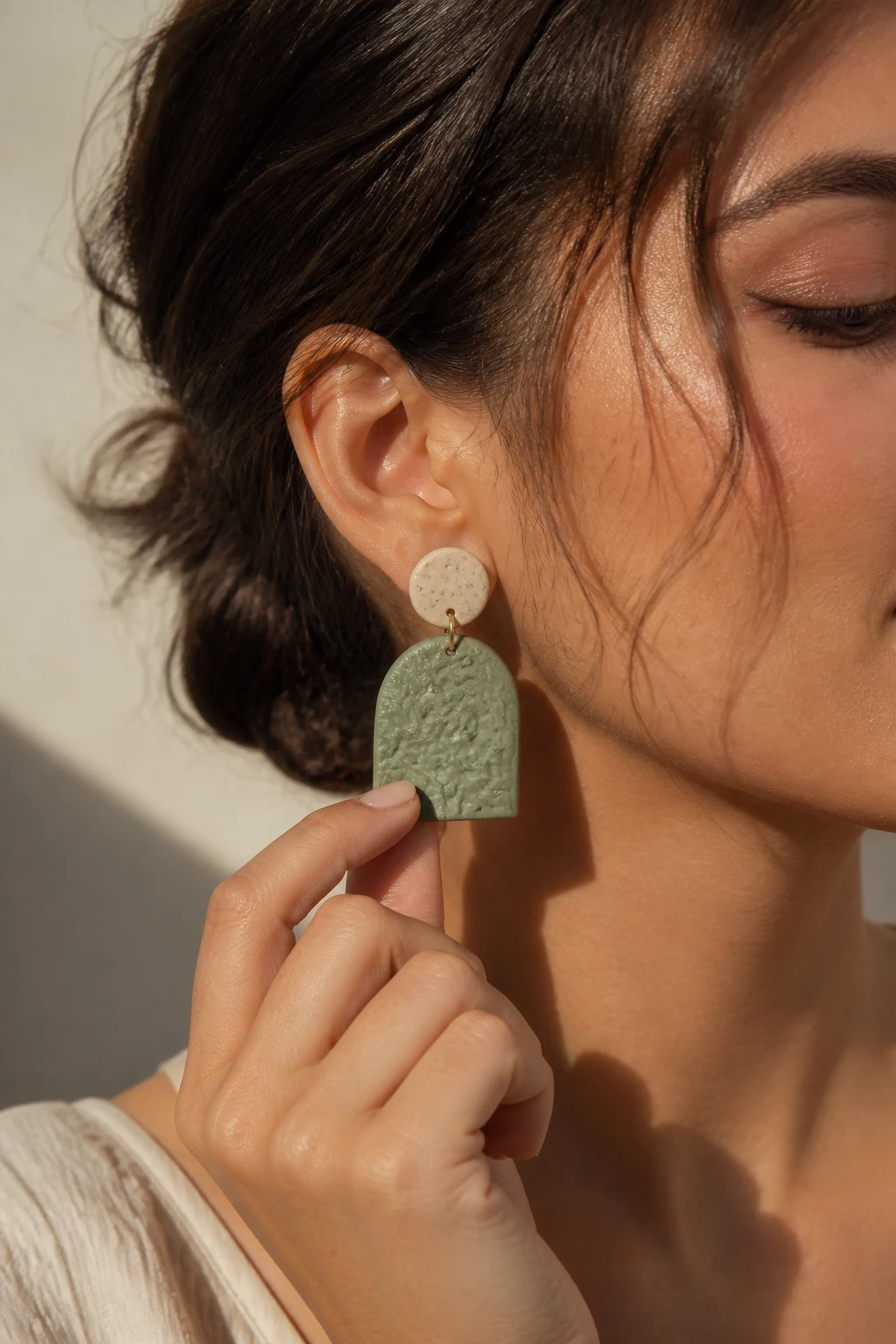
Abstract sculpture earrings shift the price from basic to premium. Think organic shapes and architectural vibes.
– Typical price: $35–$65 per pair
– Material cost: same as regular earrings
– Why it works: customers buy as collectible art, not just accessories
– Production note: imperfections become part of the charm, allowing for faster, more unique pieces
9) Light Switch Covers: Niche, High-Margin Home Decor
Light switch plates are a surprising profit nugget. The niche reduces competition and raises perceived value.
– Price range: $15–$30 per plate
– Material cost: minimal (about $1–$2)
– Time: 20–30 minutes per plate
– Marketing angle: pair with interior designers or themed room renovations for bulk orders
10) Hair Accessories: Claw Clips and Barrettes Go Glam
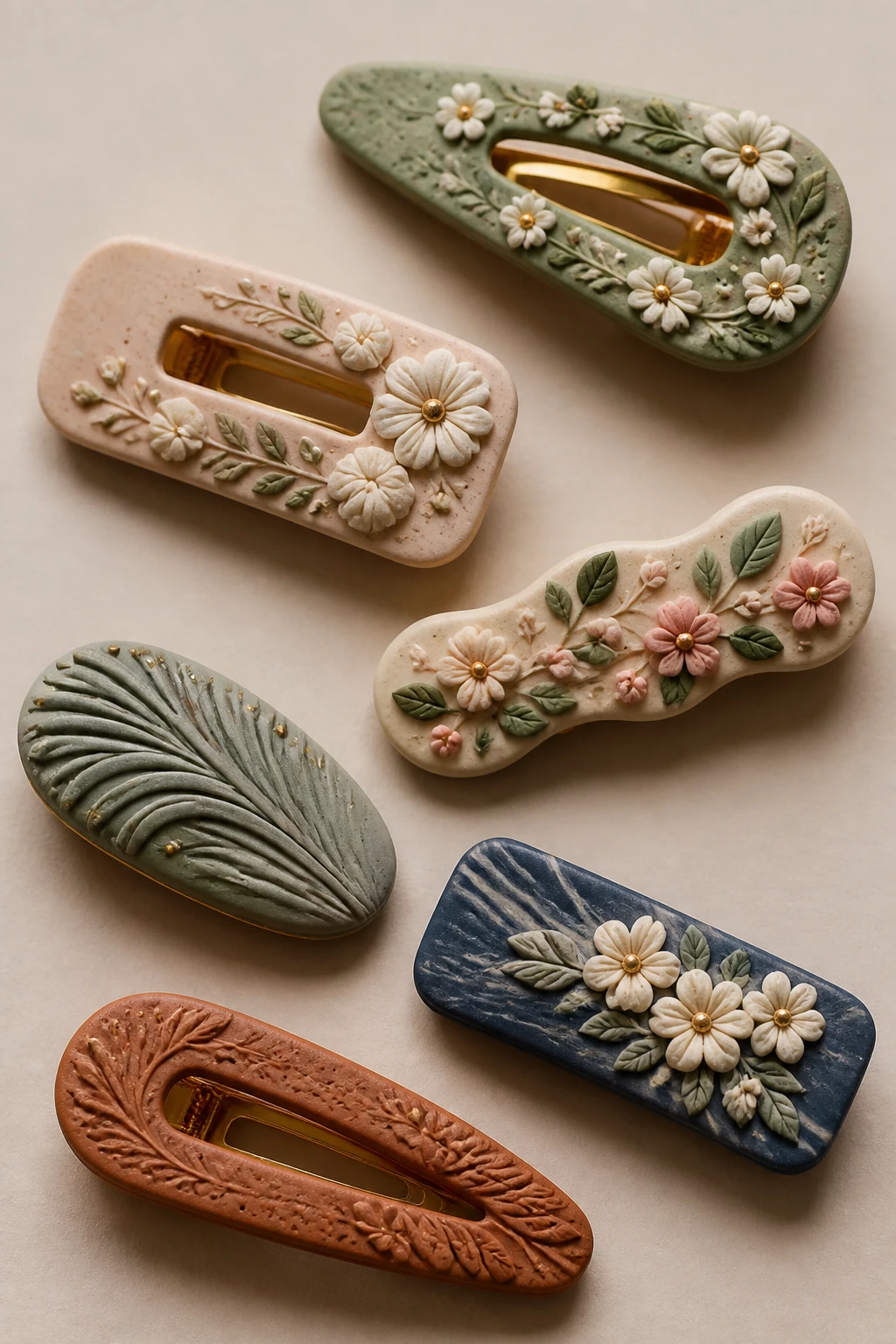
Hair accessories are having a renaissance. Decorated polymer clay clips and barrettes sell for $18–$35 each.
– Why they fly off shelves: impulse buys with a little “twist” factor
– Wholesale potential: boutiques and salons crave rotating inventory
– Collect ideas: floral designs, terrazzo, marble, color-blocking, or mini sculptures
11) Custom Pet Portrait Ornaments: Emotional Keepsakes with Big Margins
Pet lovers adore anything that honors their fur babies. Custom pet portrait ornaments can fetch $30–$60.
– Material cost: $3–$5
– Why it’s special: emotional value and lasting keepsakes
– Expansion: pet magnets, cake toppers for parties, or memorial pieces
A viral post can flood you with orders, so nail likeness from photos and offer rush fees to handle last-minute gifts.
12) Earthy Neutral Tone Jewelry: Minimalist, Timeless Pieces
Earthy-toned beads and jewelry cater to a quiet luxury aesthetic that’s huge right now.
– Price: necklaces $35–$75; bracelets/anklets $15–$30
– Material cost: $5–$10 per piece
– Why it sells: natural vibes photograph beautifully and pair with almost any outfit
– Social hook: lifestyle shots in coffee shops and outdoor spaces boost engagement
13) Decorative Magnets: Sets That Sing Together
Magnets are tiny, quick, and profitable when you build cohesive sets.
– Price: $15–$25 for a set of 4–6
– Material cost: $2–$4 per set
– Strategy: theme bundles (herbs, celestial, quotes, cute animals) encourage buyers to snag the whole set
– Channel: craft fairs and subscriptions for seasonal rotations
14) Textured Wall Hooks: Functional Art with Real Value
Hooks combine function and beauty, turning a low-cost base into a premium decorative piece.
– Price: $15–$28 per hook set
– Material cost: minimal aside from clay and metal hardware
– Why it works: customers want personality in every detail, from entryways to bathrooms
– Bonus: custom themes for entire rooms or bathroom sets can command premium pricing
15) Phone Case Embellishments and Grips: Personalize the Everyday
Phone accessories remain a top impulse buy. Embellishments for cases and popsockets fetch $8–$15 each.
– Why it’s hot: everyone carries a phone; customization makes it feel special
– Scaling idea: offer bundles or monthly drops to keep customers coming back
Deep Dive: Turning Niches Into Recurring Revenue
– Batch-and-bundle mindset helps you move more units with less friction.
– Seasonal and themed collections create “shopping occasions” that drive higher cart values.
– Collaborate with local shops for wholesale or limited-edition runs to lock in stable income.
Pricing and Production Quick Tips
– Start with a few core pieces and expand as you learn production rhythms.
– Use bulk pricing for sets to encourage bigger orders.
– Photo-to-sell: invest effort in clean, bright product photography; it’s the biggest driver of online sales.
– Offer rush options for holiday deadlines or last-minute gifts to capture premium fees.
FAQ
How much can I really make with polymer clay items in 2026?
Profit varies by item, volume, and marketing. Earrings, miniatures, and personalized pieces often yield the highest margins, especially when you add bundles, custom orders, or wholesale deals. Expect margins around 50–90% on top-tier pieces with smart pricing and repeat customers.
What are the most reliable products for steady income?
Seasonal ornaments, decorative plant pots, and personalized accessories tend to create consistent demand year-round. Bundling items into collections or subscriptions helps smooth out seasonal peaks.
Is wholesale a good strategy for polymer clay creators?
Yes. Wholesale accounts with boutiques, gift shops, or real estate firms for branded coasters and ornaments can provide steady bulk orders and recurring revenue. It also helps you move inventory that might be slow in direct-to-consumer sales.
How important is social media in selling these items?
Very. Nail the photography, post process, and engage with your audience. Viral posts about pet portraits or custom earrings can flood your inbox with orders. Short videos of your process also boost credibility and interest.
What should a beginner start with?
Begin with a few high-margin staples: statement earrings, mini food charms, and personalized keychains. Build a small lineup, perfect your process, and then branch into seasonal items and home décor.
Conclusion
The polymer clay world in 2026 rewards creativity, speed, and smart positioning. From bold, color-blocked statement earrings to cozy Millie Fiori plant pots, there’s a path to serious income for makers who couple great design with smart selling. So pick a couple of these ideas, batch your production, and start testing what resonates with your audience. With the right mix, you’ll turn clay into cash without burning out. Ready to dive in? Pick your first 2–3 projects and start crafting your money-making lineup today.