An unlikely business thrives behind a bedroom door: a table, a dream, and a real plan. No studio, no warehouse—just you turning craft into cash. Here’s a friendly tour through 50 products you can realistically make and sell from that exact setup in 2026.
1) Personal Touch Products That Spark Quick Purchases
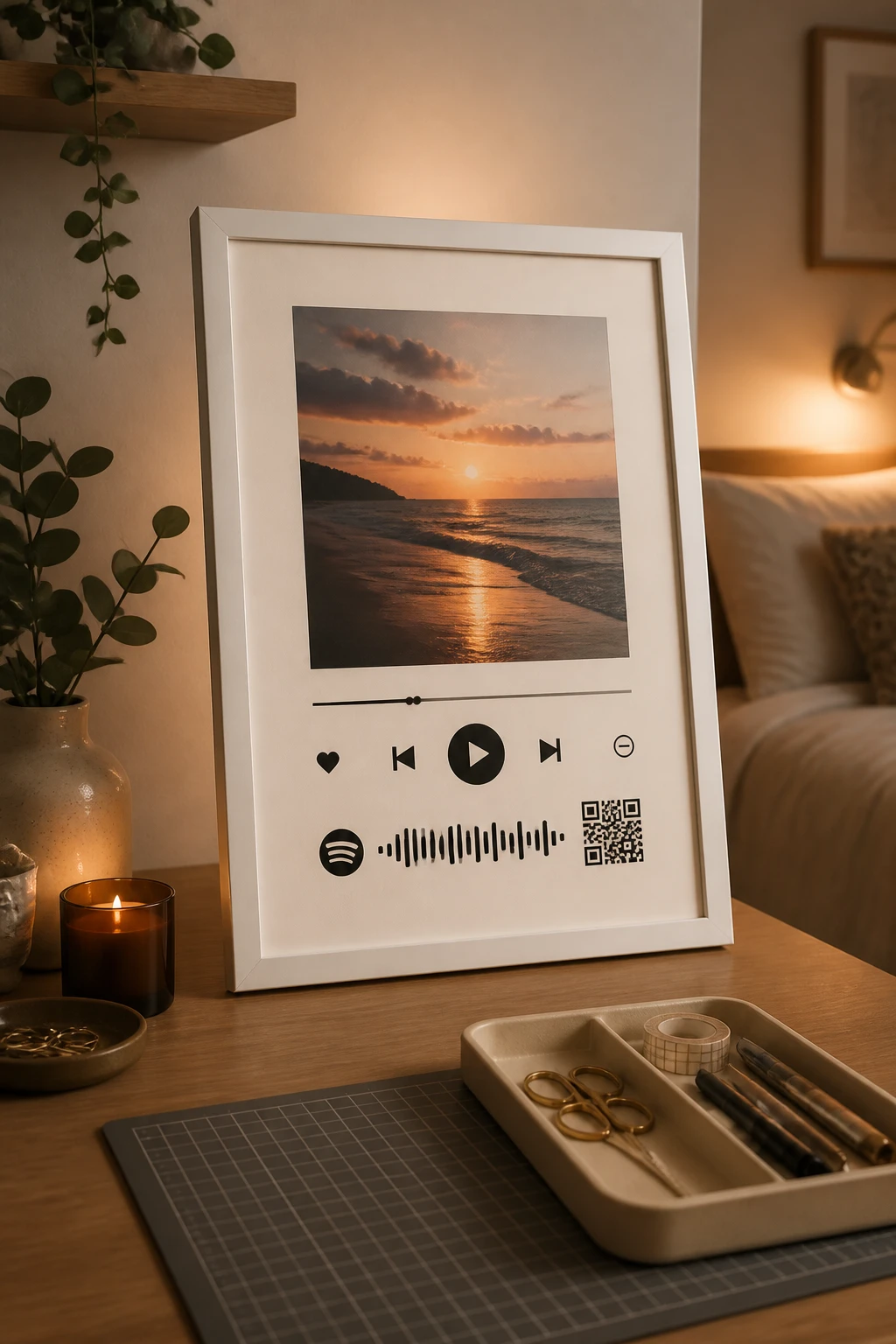
– Custom Spotify plaque: Frame song art, name, and a Spotify code. Code free at spotifycodes.com, layout in Canva, print on cardstock, frame. Material cost around $6-$10; sell for $18-$35. These gifts solve the “what should I give?” problem, especially on Etsy.
– Custom star map print: Exact night sky for a date or location. Digital download $5-$12; printed version $22-$45. Material cost $3-$6. Personalization is the hook—buyers pay for meaning.
Subpoint: Why these work
– Personalization sells. People crave meaning, not mass-produced sameness. If you can automate a few steps (codes, templates), you scale without hiring.
2) Wall Art and Textile Accents That Look Expensive
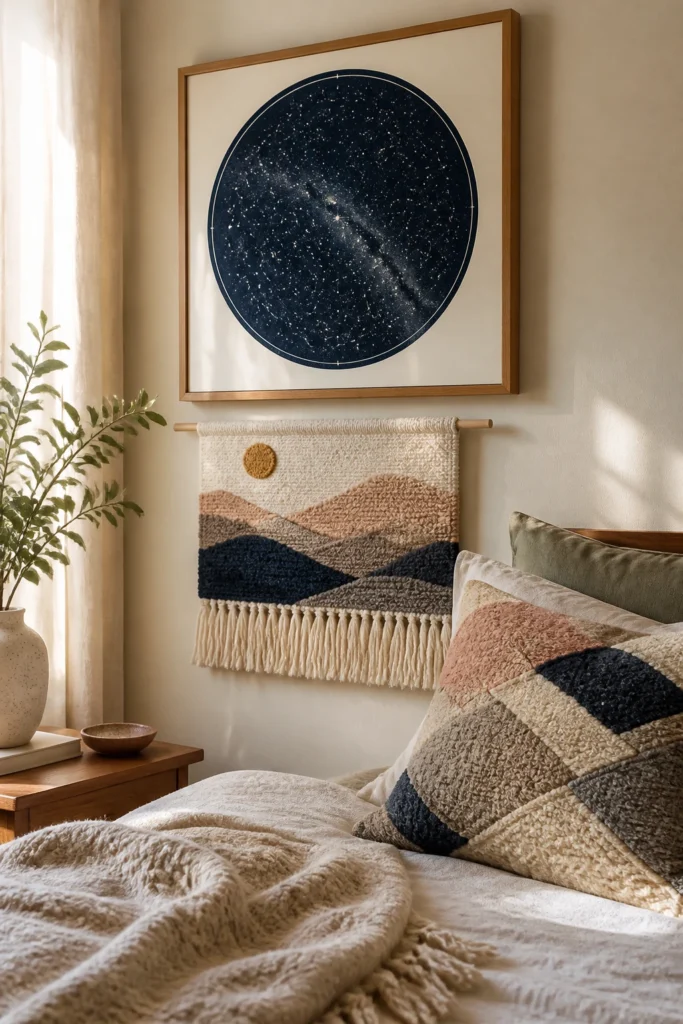
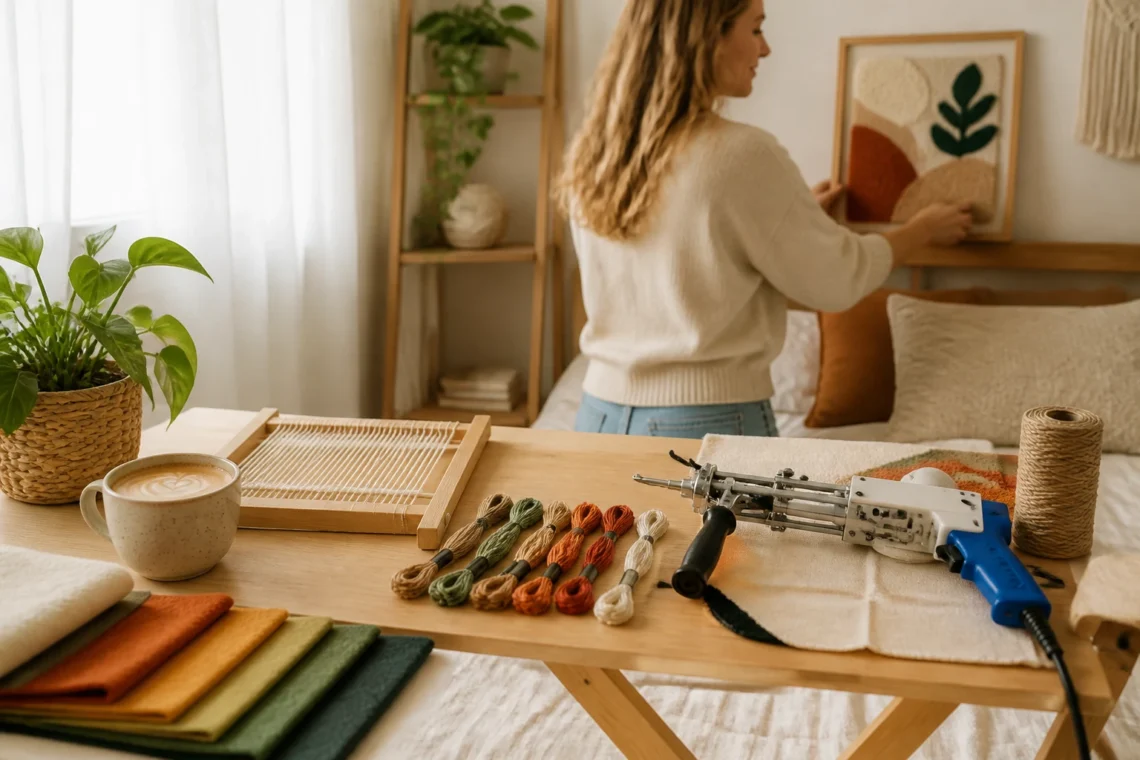
– Tufted wall art or punch needle: 12×16 inch pieces sell for $55-$120. Material $8-$15. Attention-grabbing textures spark trust and boost perceived value.
– Embroidered patches (iron-on): 3-inch patches take 1-2 hours, cost $1-$2; sell $10-$20 each. In cottagecore and slow-fashion circles, patches pop.
Subpoint: The visuals that convert
– Textural drama beats flat prints. TikTok tufting hype means your bed-turned-workspace can become a showroom.
3) Handcrafted Tools and Kitchenware
– Spoon carving: Hand-carved spoons from local branches. 2-4 hours per spoon; material near zero if forage locally. Sell $35-$80. Buyers love the story of sustainability and local sourcing.
– Hand-painted ceramic mugs (overglaze): Mugs cost $3-$5 to make; sell $35-$75 with a personal touch.
4) Paper Goods and Stationery That Feel Premium
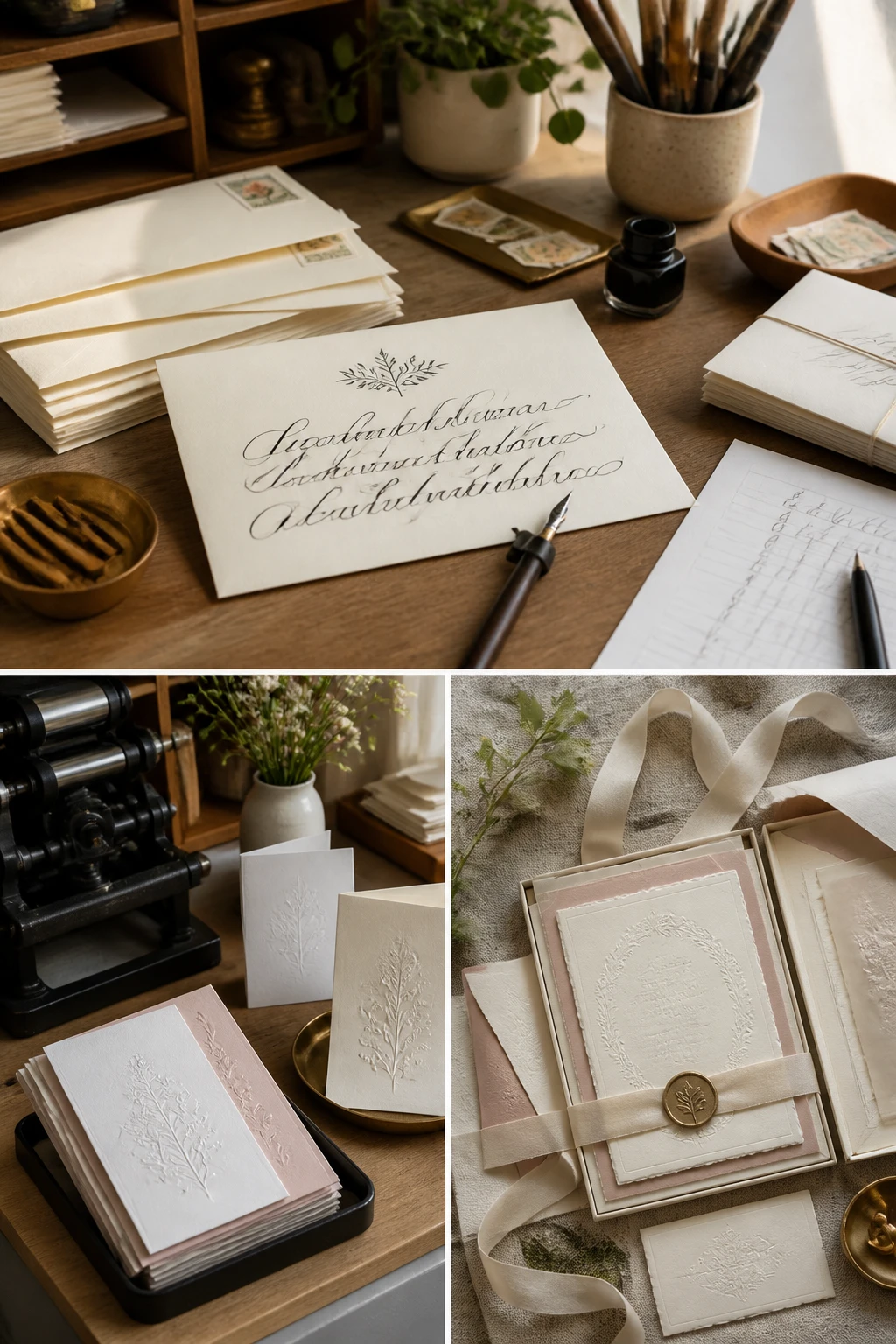
– Hand-lettered wedding envelope addressing: $1-$3 per envelope. A 120-guest wedding nets $120-$360 per project. Portfolio and practice pave the way.
– Letterpress cards (embossed): Per card $1.50-$3; sell $7-$12; six-pack $28-$40. High-ticket wedding invites can be $250-$600 per set.
Subpoint: The digital-to-physical crossovers
– Fore-edge book painting and custom book folding art show a wow factor that’s hard to replicate at scale. A fore-edge painting can fetch $45-$120; book folding art $25-$55.
5) Textiles and Fiber Arts You Can Do From a Desk
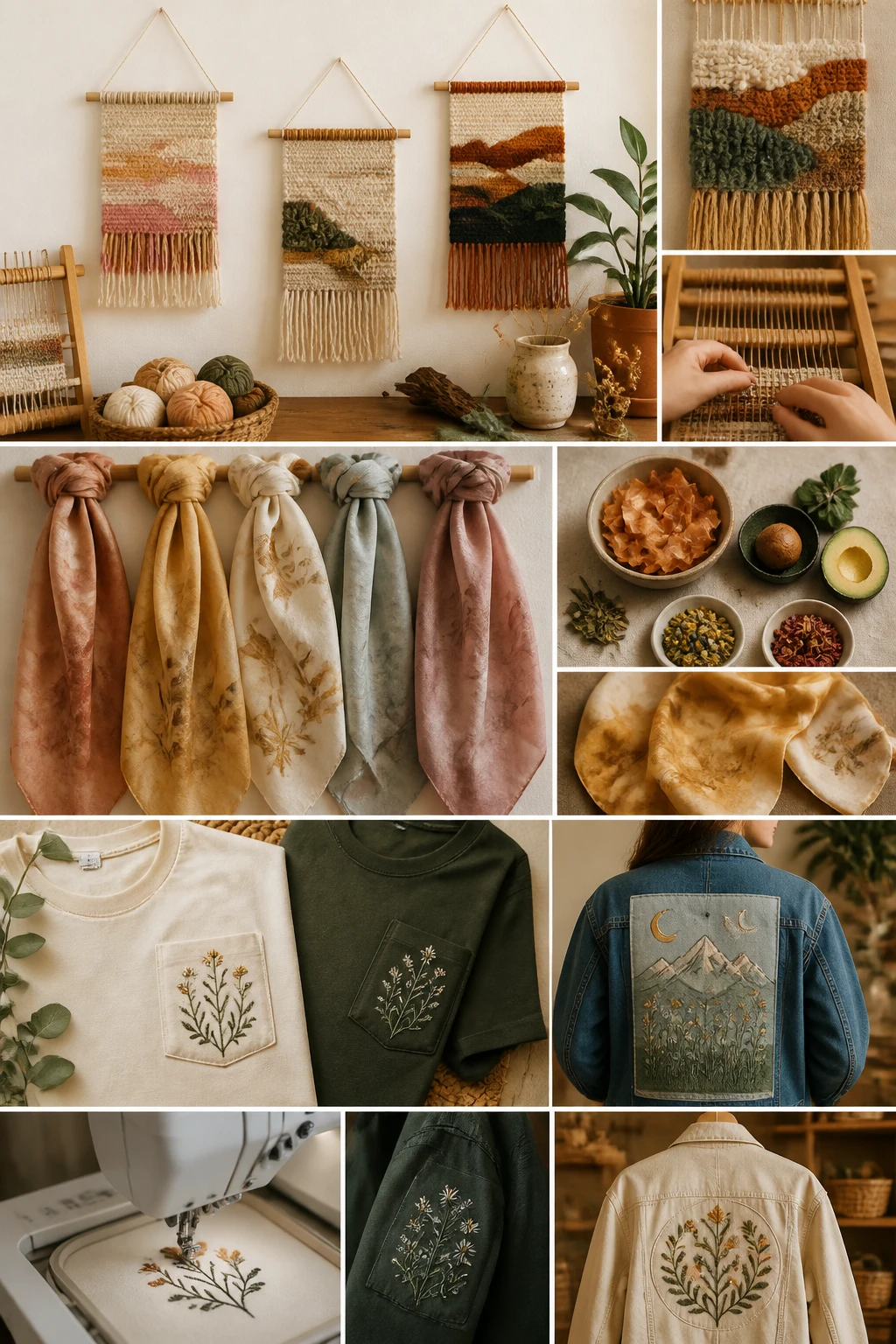
– Woven wall tapestries (small looms): 8-16 inches, $8-$14 cost; sell $45-$95. The “handmade” whisper matters here.
– Natural dye silk scarves: Botanical dyes from onion skins, avocado pits, etc. Cost $8-$15; sell $45-$90. The eco-friendly vibe is powerful.
– Embroidered clothing (on shirts, jackets): Chest pocket designs $45-$80; back panel patches $120-$250. A domestic embroidery machine (e.g., Brother PE800) can cut production time.
6) Small Luxuries and Home Decor
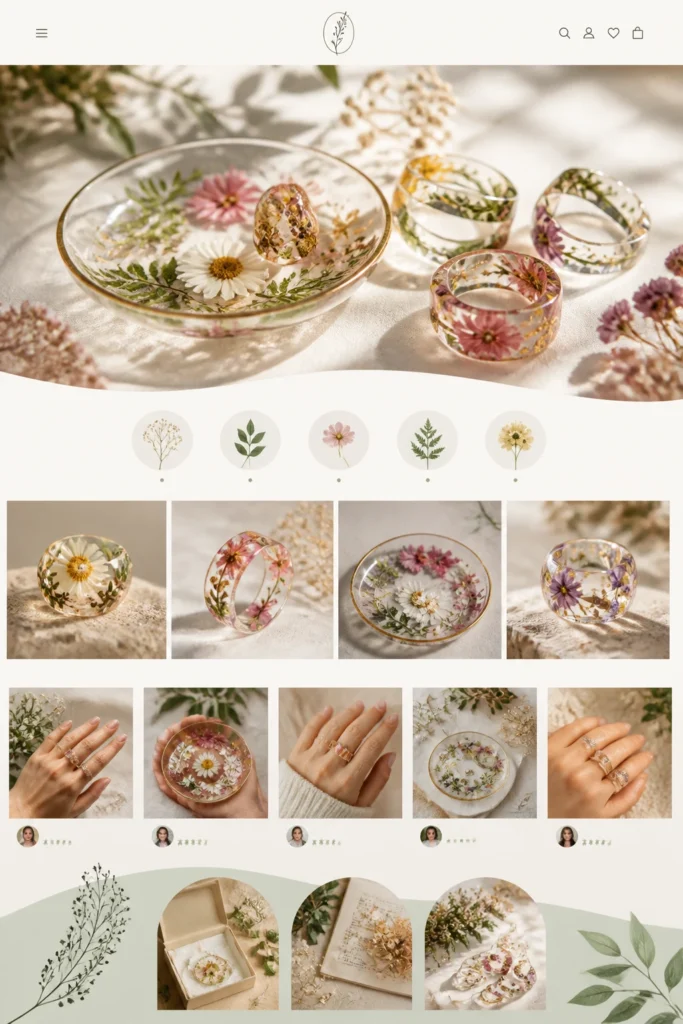
– Dried flower resin items: Rings and dishes from $2-$4 cost; sell $18-$30. The botanical resin aesthetic is a crowd-pleaser.
– Tiny moss arrangements and miniature natural domes: Cost $4-$8; sell $18-$38.
– Bead tassel earrings: Cost $2-$5; sell $18-$38. Great for markets and Etsy.
7) DIY Kits and Printables for Passive Income
– DIY embroidery kits: Pre-printed designs with fabric, floss, needle. Sell $28-$45; cost $8-$14; assembly 1-2 hours. The buyer gets a project and the joy of making.
– Digital wedding invitation templates: Editable Canva files; sell $15-$35. No fulfillment cost, high scalability.
– Printable maps or cityscapes: Digital download $8-$18; printed versions $30-$60 plus printing costs.
8) Kitchen and Beauty–From Natural and Simple to Elevated
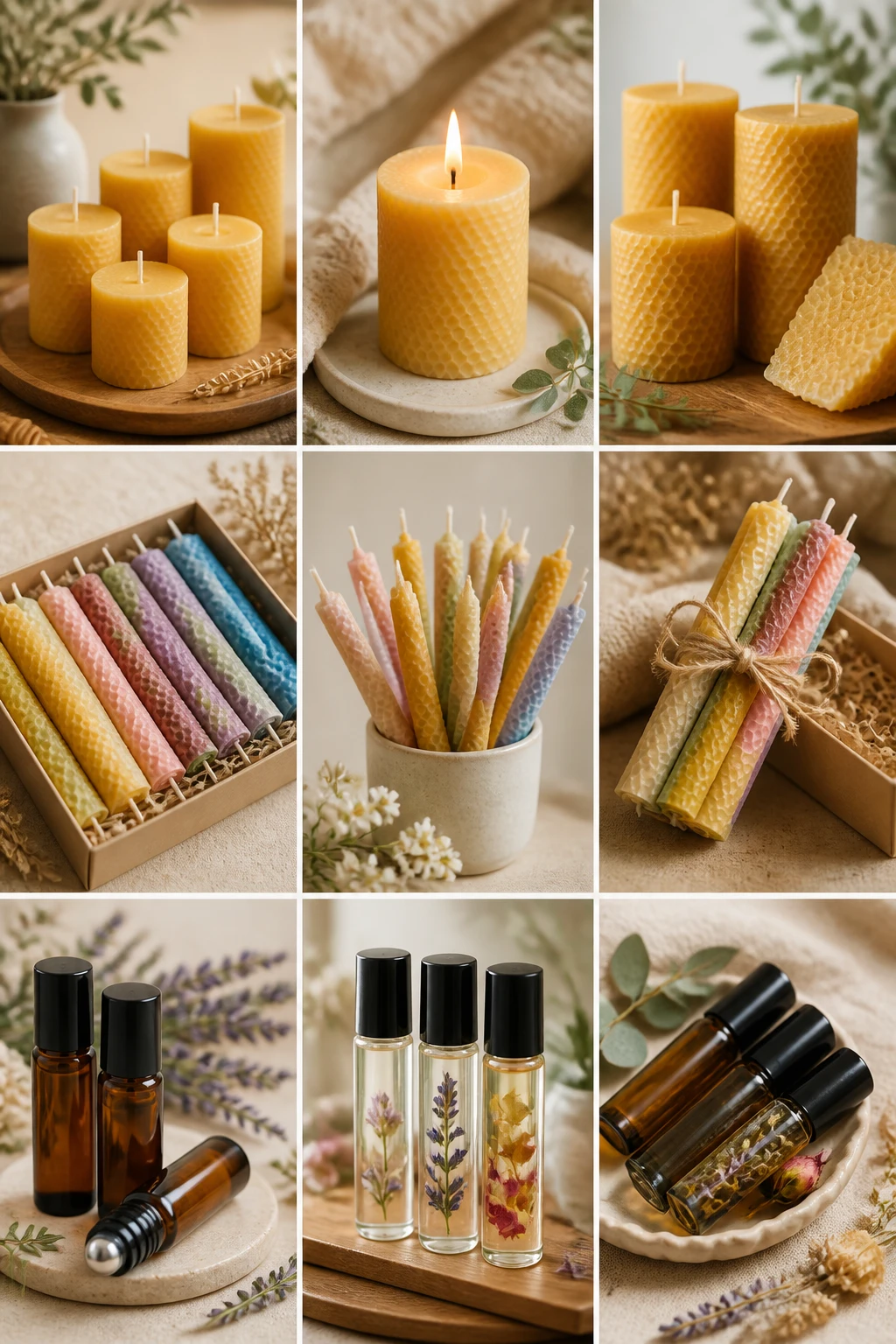
– Beeswax candles (pure, no additives): 4-oz pillar $18-$28; beeswax costs $10-$15 per pound. The selling point: natural, clean-burning, simple ingredients.
– Hand-rolled beeswax candles for birthdays: Set of 12 is $12-$18. Easy and giftable.
– Essential oil blends in roller bottles: Cost $1.50-$3 per roller; sell $12-$22.
9) Wood and Leather Goods With a Premium Feel
– Hand-stamped leather wallets: Material $8-$15; sell $45-$90. The story of hand-stitching and veg-tanned leather elevates perceived value.
– Leather-bound blank journals with Coptic binding: Cost $8-$14 for leather and paper; sell $35-$75. Flat-open, no glue in construction, which serious journal lovers notice.
10) Modern Digital and Hybrid Concepts
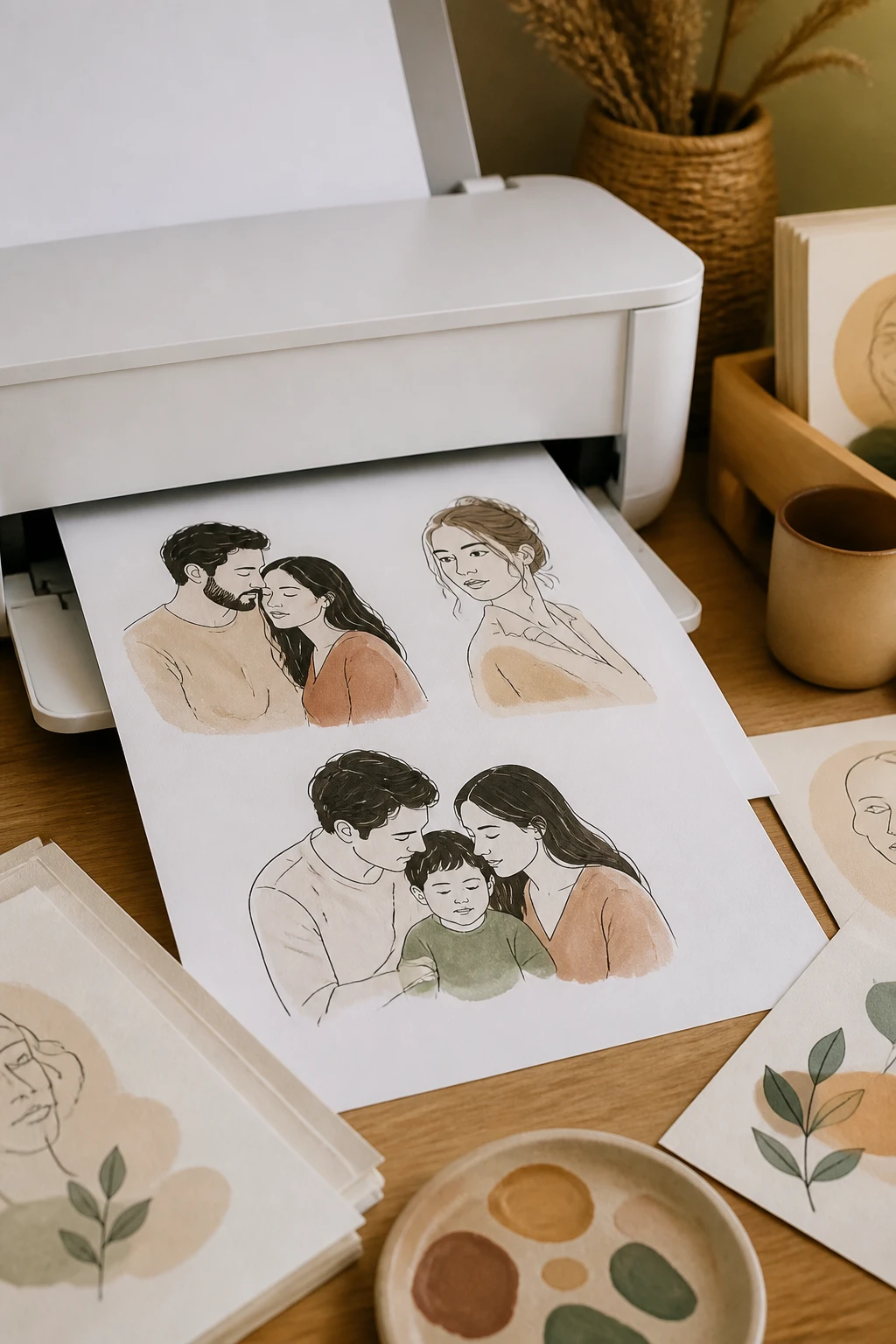
– Custom digital portraits (Procreate): Sell $30-$120; material cost minimal; hours 1-3. Online delivery means simple fulfillment.
– Digital family portraits or line portraits: Tailor to minimalist or luxury buyers; digital or printed options.
11) Pet and Personal Keepsakes
– Lip-smacking pet portraits (watercolor on paper): Sell $55-$150; cost $5-$12. Originals hold value beyond prints.
– Pet memorial rocks: Painted river rocks with a pet portrait; sell $28-$55. The emotional pull drives buyers to pay more.
12) Creative Ways to Stand Out in a Crowded Market
– Custom vinyl sticker sheets with a Cricut: Setup $30-$60; plain tote bags $2-$4; sell $18-$32 per bag. Niche sticker collections outperform generic ones.
– Dried flower resin rings and dishes: Build a brand around a botanical vibe; use social proof to grow fast.
13) Business Models You Can Start Right Now
– Digital templates and printables: One design can sell hundreds of times with minimal extra work.
– Physical to digital hybrids: Offer both a digital download for passive income plus a printed version for customers who want a physical keepsake.
Deep Dive: How to Choose Your First Five Products
– Start with a clear narrative: what’s your story? Local wood, beeswax, or botanical dyes?
– Pick 2-3 scalable items: digital templates, stickers, and a small premium product like a handmade mug or wallet.
– Set pricing with margins in mind: aim for 2-3x material cost for physical items; digital goods scale more aggressively.
FAQ
What’s the best product to start with if I’m totally new?
Start with something easy to learn and high-demand. Custom Spotify plaques or star map prints let you use templates and free online tools to build a portfolio fast. They’re personal, photogenic, and gift-ready.
Do I need a lot of space to run this from my bedroom?
Nope. Most items here require a table, a few tools, and a desk-sized loom or a small tabletop kiln if you go ceramic. The key is organization and a workflow that minimizes mess.
How do I price these products for Etsy or markets?
Base prices on material costs, time, and market rates. The transcript examples give solid ranges: candles $18-$28 for 4 oz; patches $10-$20; mugs $35-$75; wallets $45-$90. Add shipping and packaging to protect margins.
Is digital or physical better for beginners?
Digital templates and prints offer the simplest path to passive income. Physical items give you hands-on skill, branding, and repeat buyers, but require more materials and fulfillment thinking.
What equipment truly helps scale a bedroom craft business?
A basic computer with Canva or design software, a cutting device (like a Cricut for stickers), a small kiln for ceramics if you go that route, and a small laser engraver if you want laser-cut jewelry. Start with what you can justify and upgrade as revenue grows.
Conclusion
If you’ve got a bedroom, a table, and a spark, you’ve got a business. The 50 ideas above show that you don’t need a studio or a warehouse to build a brand, create beautiful things, and ship them to people who care. Focus on one or two standout products, tell a compelling story, and lean into the visual appeal that social media rewards. FYI, consistency beats genius here—posting progress shots, behind-the-scenes snaps, and client testimonials keeps buyers coming back. Ready to turn your craft into cash without leaving your room? This is your moment to get started.